What if you could step out for fresh pupusas, hop on transit to downtown Boston, and be at the waterfront by sunset, all in one compact city? If you are exploring Chelsea, you are likely weighing convenience, value, and community. In this guide, you will get a clear picture of daily life, from commutes and parks to dining and housing options, plus practical tips to help you decide if Chelsea fits your goals. Let’s dive in.
Chelsea location and vibe
Chelsea sits just across the Mystic and Chelsea rivers from Boston. It is its own city in Suffolk County, not a Boston neighborhood, and it has close ties to East Boston, Everett, Charlestown, and Revere. Neighborhoods are dense and walkable, with many multi-family homes and small commercial corridors.
You will find a strong small-business culture and a diverse community. Many residents speak both English and Spanish, and you will notice a mix of longtime locals and transit-oriented commuters. The city is active in planning and community discussions, which you can explore on the City of Chelsea website.
Getting around Boston and beyond
Transit options
Chelsea is served by MBTA buses and a Silver Line service that connects many residents to downtown Boston and South Station. Routes and schedules can change, so check the MBTA website for the latest maps and travel times. You can also connect to the Blue Line or Orange Line with a short trip into nearby stations.
Driving and bridges
If you drive, Route 1 and local bridges offer direct access into Charlestown and the regional highway network. Commute times vary by hour, bridge traffic, and ongoing construction. Logan Airport is a quick ride, and many people who work at the airport or Seaport choose Chelsea for its access.
Walking, biking, and parking
Chelsea’s compact blocks make short errands simple on foot. Some waterfront paths and greenway segments exist or are planned, though protected bike lanes are not continuous. Parking can be tight on multi-family streets, so check listings for assigned or off-street parking when you shop for a home.
Parks, waterfront, and outdoor time
Chelsea borders the Chelsea River and Chelsea Creek, with a mix of industrial areas and growing pockets of public access. You will find small neighborhood parks and fields for everyday play, and larger destinations like Revere Beach are a short drive.
If you are exploring homes near the water, understand flood risk. Portions of the waterfront and low-lying areas fall within FEMA flood zones. Before you buy, review the FEMA Flood Map Service Center and City resilience materials, and discuss insurance needs with your lender and insurer.
Dining, shopping, and daily amenities
Chelsea’s culinary scene is powered by family-owned spots, with many Latin American restaurants, bakeries, and cafes. You will also find bodegas, service shops, and newer eateries near transit. For big-box or specialty groceries, residents often hop into East Boston or Revere.
Healthcare and banking are available in the city, and Boston’s hospitals are an easy drive or transit trip. To keep a pulse on local happenings, openings, and community events, check the Chelsea Record or the City of Chelsea announcements.
Homes and housing options
The housing mix
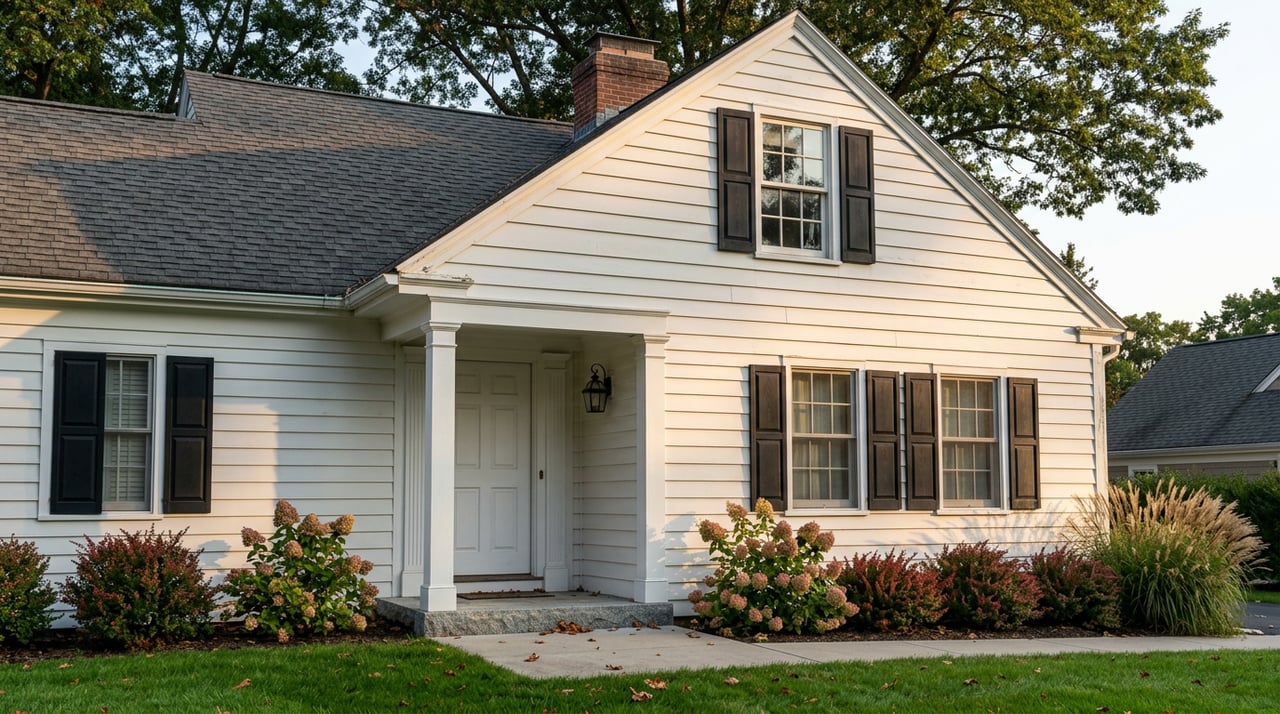
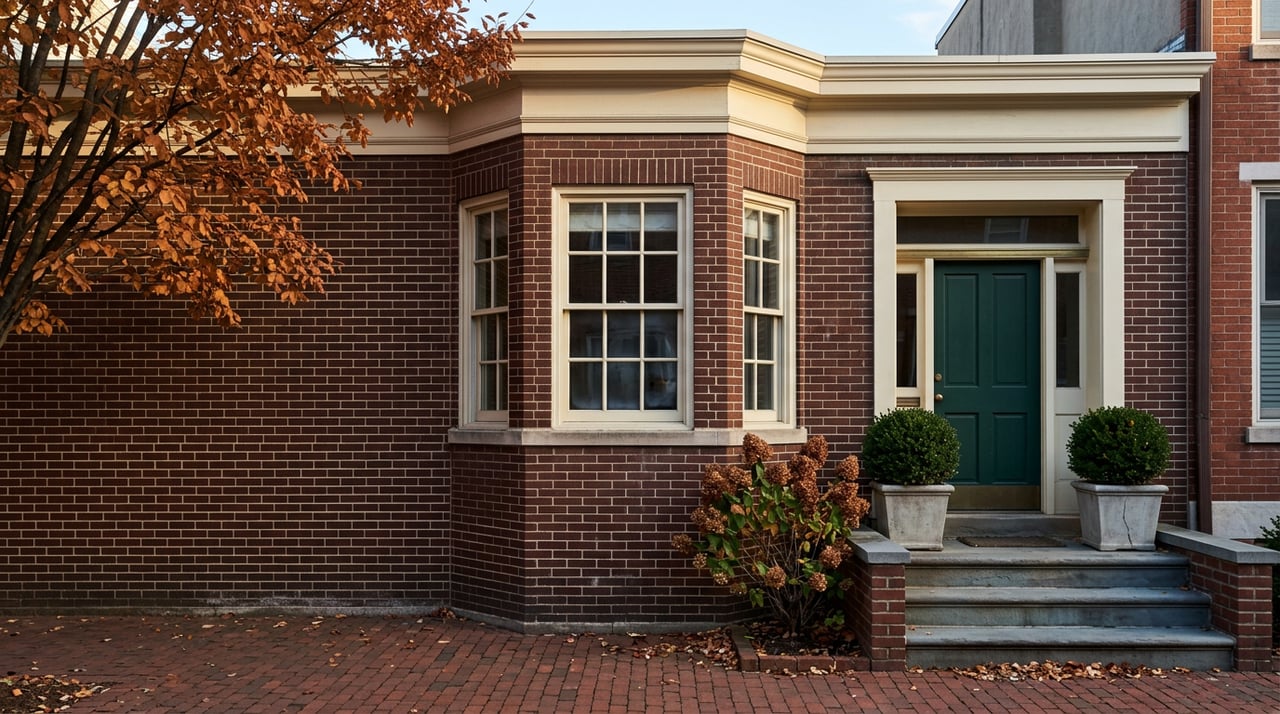
Multi-family buildings are common, especially two- and three-family homes and small apartment buildings. These traditional forms work well for owner-occupants who want rental income or for small investors. You will also see newer or renovated condominiums, often near transit or the waterfront, and a smaller number of single-family homes that tend to be limited and in demand.
Market dynamics to expect
Chelsea has been known for relative affordability compared with central Boston, though prices have moved with transit upgrades and redevelopment. Conditions change season to season, so review recent comparable sales with a local broker and watch inventory trends. Many buildings are older, so budget for upgrades like insulation, heating systems, or roofing when you evaluate properties.
For investors and owner-occupants
Strong rental demand supports small-scale investment in 2–4 unit properties. If you are evaluating a multi-family, confirm local landlord rules and occupancy standards, and verify rent assumptions with current market data. Owner-occupants often focus on units with on-site parking or access to transit, which can improve daily life in a dense neighborhood.
Neighborhood snapshots
Bellingham Square
This is a civic and commercial hub with shops, services, and transit access. It is a natural spot for errands, quick bites, and community events.
Waterfront and river edges
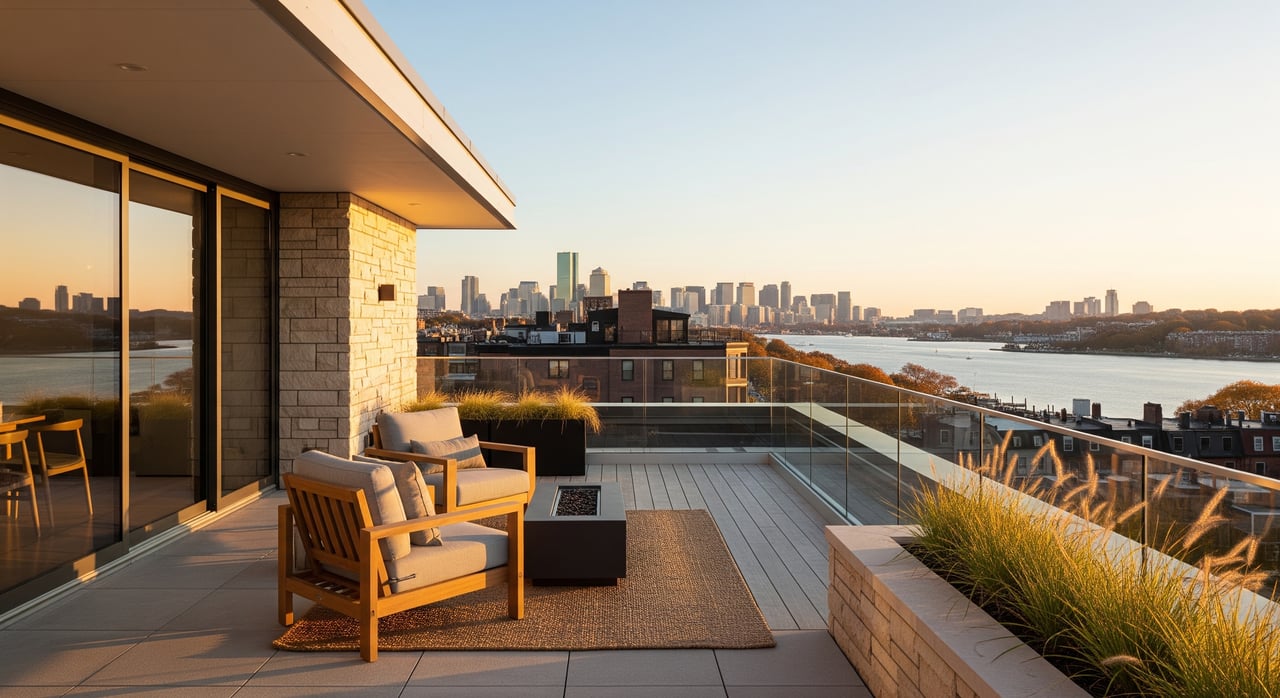
Expect a mix of industrial operations and redevelopment sites with improving public access in places. These areas can offer views and newer housing, balanced with the need to review flood risk and the surrounding industrial context.
Residential blocks
Most streets feature multi-family homes and small apartment buildings with corner markets and local eateries nearby. You can often walk to daily essentials.
Nearby cities and options
Being close to East Boston, Everett, Charlestown, and Revere gives you extra choices for parks, beaches, dining, and transit connections. Many residents mix these nearby amenities into their weekly routine.
Practical questions to think about
- Commute planning: Travel times vary by route and time of day. Use the MBTA website for current bus and Silver Line options and compare with a driving route during your target hours.
- Schools and programs: Chelsea Public Schools offers a range of programs, including services for English learners. For up-to-date profiles, explore the Massachusetts DESE school profiles and the district site.
- Flood and insurance: If you are looking near the waterfront or in low-lying zones, review the FEMA Flood Map Service Center and discuss insurance and elevation details with your team.
- Building age and condition: Many homes are older. Plan for inspections that look carefully at systems, insulation, and potential updates.
- Local planning insights: To understand future projects and zoning, follow city planning updates and regional studies from the City of Chelsea and the Metropolitan Area Planning Council.
Quick checklist before you tour
- Map your commute on transit and by car during peak hours.
- Look up flood zone status for any waterfront address.
- Verify parking options, resident permits, and snow emergency rules.
- Read school profiles on the DESE site.
- Compare recent sales for similar homes with your agent.
A day in Chelsea
Picture this. You grab coffee at a local cafe, ride the bus or Silver Line into downtown, then stop for tacos on your way home. On the weekend, you walk a waterfront stretch, visit a neighborhood park, or take a quick drive to Revere Beach. That mix of urban convenience, diverse food, and easy access to Boston sums up much of Chelsea’s appeal.
Is Chelsea the right fit for you?
Choose Chelsea if you want a walkable, transit-connected base with quick access to Boston and a strong local business scene. Expect older housing stock, active streets, and a mix of residents who value convenience and culture. If you prefer large yards and wide driveways, you might weigh nearby suburbs, but if you want an urban lifestyle with strong connections, Chelsea delivers.
Hablamos español. If you want bilingual, neighborly guidance from a team rooted in the community, reach out to Madelyn Garcia Real Estate for a local plan that fits your goals.
FAQs
How do Chelsea residents commute to downtown Boston?
- Many residents use MBTA buses and the Silver Line, or drive via Route 1 and local bridges. Check the MBTA website and test your route at peak hours.
What parks and waterfront access does Chelsea offer?
- You will find small neighborhood parks and growing riverfront paths, with larger destinations a short drive away. The City of Chelsea posts updates on park improvements.
What should I know about flood risk near the Chelsea waterfront?
- Some waterfront and low-lying areas are in FEMA flood zones. Review the FEMA Flood Map Service Center and discuss insurance with your lender.
What types of homes are most common in Chelsea, MA?
- Multi-family homes are most common, along with some condos near transit and a smaller number of single-family houses.
Where can I find neutral, official school information for Chelsea?
- Visit the Massachusetts DESE school profiles for current, data-based school details and program descriptions.