Buying a home in Peabody is exciting, but New England weather and older housing can hide issues that cost you later. You want a safe, efficient home and a smooth negotiation. This guide gives you a practical inspection checklist designed for Peabody’s Colonials, Capes, and condos, common system lifespans, seasonal pitfalls, and what to do after the report. Let’s dive in.
Why inspections matter in Peabody
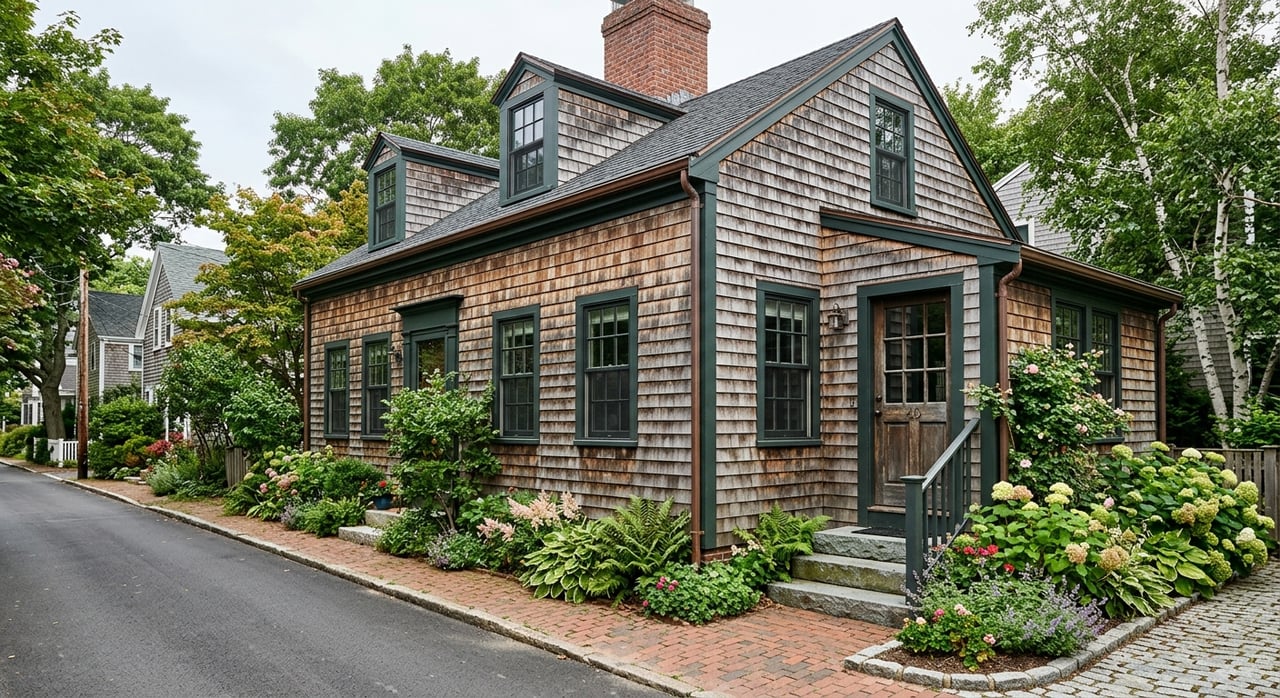
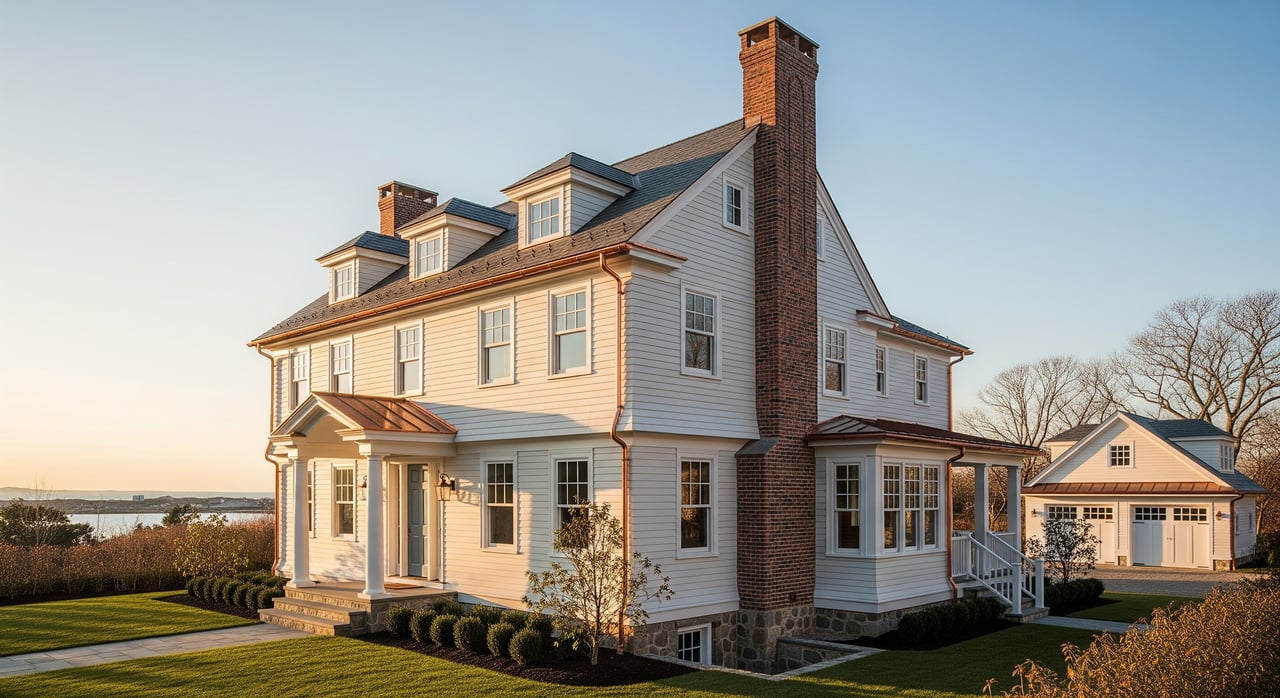
Peabody sits in northeastern Massachusetts with cold, snowy winters, humid summers, and Nor’easters. Freeze–thaw cycles, ice dams, and heavy rain put extra stress on roofs, foundations, and basements. Many homes here were built in the late 19th to mid 20th century, with post‑war subdivisions that include Colonials, Capes, and condo conversions.
You will see a mix of natural gas and oil heat, plus some electric baseboards or heat pumps in condos. Older homes may still have steam radiators and cast‑iron boilers. Municipal water and sewer are common, but always confirm the setup for each property.
What to check outside
Focus on water management first. It prevents many costly problems.
- Roof: Look for curling or missing shingles, sagging, and wear around chimneys and vents. Asphalt shingles typically last about 20 to 30 years. Flat roofs often need replacement in 10 to 20 years.
- Gutters and downspouts: Ensure they are attached, not clogged, and push water 3 to 6 feet away from the foundation. Ice buildup can signal poor attic ventilation.
- Siding and trim: Wood clapboard needs paint or stain every 5 to 10 years. Check for peeling, rot at trim, and loose vinyl panels.
- Windows and doors: Open and close each. Check for fogged insulated glass, rot at sills, and proper caulking.
- Grading and drainage: Soil should slope away from the foundation to prevent ponding near the house.
Basement and foundation red flags
Basements tell the truth about water and structure.
- Foundation: In older homes you may see stone foundations, as well as poured concrete or block. Note vertical or horizontal cracks, bowing, efflorescence, and spalling. Ask about prior repairs.
- Moisture: Look for staining, musty odors, and past water lines. Check sump pump presence and condition. French drains can be a good sign if maintained.
- Framing and joists: Inspect for rot, insect damage, and missing insulation along the rim joist.
Interior structure and attic
Attic conditions affect comfort and roof health.
- Walls, ceilings, floors: Uneven floors or cracks at door frames can indicate settlement. Track any movement patterns, not just hairline cracks.
- Attic framing and ventilation: Verify soffit, ridge, or gable vents are open and continuous. Poor ventilation can cause ice dams.
- Insulation: Look for gaps and compression. Typical New England guidance is R‑38 to R‑60 in attics. In Capes, check knee walls and dormer flashing for leaks.
Heating and cooling systems
Heat is central to comfort and safety in Peabody winters.
- Heating type and age: Identify boiler vs furnace and fuel type. Furnaces often last 15 to 20 years. Boilers can run 15 to 30 years, with cast‑iron units sometimes longer if serviced.
- Radiators and steam: Check the pitch of pipes, pressure controls, and signs of rust or soot. Review service records.
- Oil tanks: Determine if there is an above‑ground or buried tank. Buried tanks can be an environmental risk and may require specialized testing.
- Cooling: AC compressors typically last 10 to 15 years. Look for oil stains near refrigerant lines and clean coils.
- Venting: Kitchen and bath fans should vent outside, not into the attic.
Plumbing and water systems
Cold snaps and older materials call for a close look.
- Water source: Most homes have municipal water and sewer. Confirm this for each property.
- Supply lines: Copper, CPVC, or PEX are common. Galvanized steel is prone to corrosion and low flow.
- Drains and fixtures: Run water at sinks and tubs, check for slow drains and leaks under sinks.
- Water heater: Tanks commonly last 8 to 12 years. Tankless models can reach up to 20 years.
- Freeze risks: Look for pipe insulation in unheated areas and frost‑free outdoor hose bibs.
Electrical safety checklist
Electrical issues can be safety hazards and insurance concerns.
- Service size and panel: 100 to 200 amp service is typical in updated homes. Note panel age and condition.
- Wiring: Older homes may have knob‑and‑tube or cloth‑covered wiring. Flag aluminum branch wiring for further review.
- Protection devices: Test GFCIs in kitchens, baths, garage, and exterior. AFCIs may be required in some areas. Ask your inspector to identify gaps.
- Smoke and CO detectors: Massachusetts has specific requirements at sale. Verify that devices are present and positioned correctly.
Fireplaces and chimneys
Chimneys face freeze–thaw, wind, and water.
- Masonry: Check mortar, crowns, and flashing for deterioration or gaps. Look for leaning or cracks.
- Flue and damper: Confirm damper operation and flue liner condition. Note creosote buildup for wood‑burning units.
- Gas or pellet units: Verify venting and gas connections.
Insulation and energy efficiency
A well‑sealed home resists ice dams and reduces bills.
- Attic: Confirm insulation depth and even coverage. Seal around recessed lights, chimneys, and attic hatches.
- Windows: Many older homes still have single‑pane windows with storms. Replacements may improve comfort but weigh against other priorities.
- Air sealing: Gaps in basements and attics often deliver the best payoff when sealed.
Environmental and special tests
Plan for standard New England add‑ons.
- Radon: Testing is common. Short‑term tests run 48 to 96 hours, with follow‑ups if results are elevated.
- Lead paint: Homes built before 1978 may contain lead‑based paint. Take precautions if you plan renovations.
- Asbestos: Possible in older pipe insulation, floor tiles, or cement siding. Do not disturb suspected materials before testing.
- Mold: Look for visible growth and musty odors. Address moisture sources, not just the mold itself.
- Underground oil tanks: Older properties may have historic buried tanks. Consider a tank sweep if oil heat was used.
- Pests: Termite and carpenter ant inspections are common add‑ons in Massachusetts.
Condo buyers: what to review
A condo inspection includes the unit and a paper review of the association.
- Unit systems: Inspect in‑unit HVAC, hot water, plumbing, electrical, appliances, and windows.
- Common elements: Clarify what the HOA maintains versus the unit owner. Roofs, exterior, parking, and common plumbing lines are often shared.
- Documents: Request bylaws, master insurance, minutes, reserve study, recent assessments, and the budget. Ask about upcoming repairs.
New England seasonal watch list
Stay proactive about climate‑driven issues.
- Ice dams and roof ventilation: Insulation gaps and blocked vents create melt and refreezing. Improve air sealing and ventilation to reduce leaks.
- Freeze protection for pipes: Insulate exposed lines in basements, garages, and attics. Confirm frost‑free hose bibs.
- Sump pumps and power backup: Heavy rain and snowmelt can overwhelm basements. A battery backup is smart.
- Chimney and masonry: Inspect crowns and flashing. Freeze–thaw degrades mortar.
- Trees: Large trees near the home drop branches, clog gutters, and can affect foundations.
- Exterior paint rhythm: Wood trim and clapboard need regular painting and sealing to prevent rot.
Printable bilingual checklist (English/Español)
Use this as a quick walk‑through guide. It is not a substitute for a licensed home inspection.
Short instructions:
- English: Use as a guide only. Hire a licensed home inspector for a full inspection.
- Español: Úselo solo como guía. Contrate a un inspector de viviendas con licencia para una inspección completa.
Exterior
- Roof condition (shingles, missing pieces) / Condición del techo (tejas, piezas faltantes)
- Gutters and downspouts clear and attached / Canaletas y bajantes limpias y firmes
- Siding or trim: rot or peeling paint / Revestimiento o moldura: podredumbre o pintura descascarada
- Grading slopes away from foundation / Pendiente del terreno alejándose de la cimentación
Foundation and Basement
- Visible cracks or water stains / Grietas visibles o manchas de agua
- Sump pump present and working / Bomba de sumidero presente y funcionando
- Signs of mold or damp smell / Señales de moho u olor a humedad
Roof and Attic
- Attic insulation depth and ventilation / Aislamiento en ático y ventilación
Systems
- Heating system age and visible leaks / Edad del sistema de calefacción y fugas visibles
- Water heater condition and age / Estado y edad del calentador de agua
- Electrical panel type, GFCIs in kitchen and baths / Panel eléctrico y GFCI en cocina y baños
- AC condenser condition, if present / Condensador de aire acondicionado, si aplica
Safety and Environmental
- Smoke and CO alarms present / Detectores de humo y CO presentes
- Radon test recommended / Se recomienda prueba de radón
- Signs of lead paint in pre‑1978 homes / Señales de pintura con plomo en casas anteriores a 1978
- Evidence of pests or droppings / Evidencia de plagas o excrementos
Interior
- Windows and doors operate, seals intact / Ventanas y puertas funcionan, sellos intactos
- Floors and ceilings: stains or sagging / Pisos y techos: manchas o hundimientos
- Appliances work if included / Electrodomésticos en funcionamiento si están incluidos
Condo add‑ons
- Review HOA documents and recent minutes / Revisar documentos de la asociación y actas recientes
- Ask about reserves for roof, plumbing, heating / Preguntar sobre reservas para techo, plomería y calefacción
Formatting tips: Keep it to 1 to 2 pages, use 11 to 12 point font, clear checkboxes, and space for notes. Add a legend that checked items are “items to discuss with inspector.”
After the inspection: next steps
A strong plan helps you negotiate smartly and keep your purchase on track.
Prioritize the report
Focus first on safety, structure, and systems critical to living in the home. Examples include major electrical hazards, non‑functioning heat in winter, active plumbing leaks, significant water infiltration, and foundation movement. Then consider upcoming big‑ticket items like roofs, older HVAC nearing end of life, and water heaters.
Negotiate repairs or credits
You can ask the seller to complete repairs with licensed contractors, request a repair credit at closing, or renegotiate price based on estimates. For structural concerns, consider a second opinion from a structural engineer. If issues are material and cannot be resolved and you have an inspection contingency, you may choose to walk away.
Get estimates and documentation
Gather 2 to 3 contractor estimates for major items. For radon, lead, asbestos, or underground oil tanks, get written quotes from certified pros. Ask for receipts, warranties, and permits where required.
Professional help and certifications
Look for home inspectors who participate in reputable professional associations and carry E&O insurance. For chimneys, seek certified chimney sweeps. For boilers and steam systems, choose licensed contractors experienced with New England heating. For condos, a Massachusetts real estate attorney can help review HOA documents.
Ready to buy in Peabody?
If you want a local, bilingual team to guide you through showings, inspections, and negotiations, we are here to help. Reach out to Madelyn Garcia Real Estate for hands‑on support from offer to closing. Visit Madelyn Garcia Real Estate to get started.
FAQs
What are the biggest home inspection issues in Peabody?
- Water management, roof wear from snow and wind, basement moisture, aging heating systems, and attic ventilation that can lead to ice dams are common priorities.
How long do major home systems typically last in New England?
- Asphalt roofs often last 20 to 30 years, boilers 15 to 30 years, furnaces 15 to 20 years, AC compressors 10 to 15 years, and tank water heaters 8 to 12 years.
Should I test for radon and lead paint in Massachusetts homes?
- Yes, radon testing is common, and any home built before 1978 may contain lead‑based paint. Plan tests and take precautions, especially if you will renovate.
What should condo buyers review beyond the unit inspection?
- Confirm what the association maintains, and review bylaws, master insurance, minutes, budgets, reserve studies, recent assessments, and known upcoming repairs.
How do I decide whether to ask for repairs or a credit after inspection?
- Prioritize safety and structural items for repairs or strong credits. For aging systems, use contractor estimates to negotiate credits or price adjustments.
Are underground oil tanks a concern in older Massachusetts homes?
- Yes, some older properties may have historic buried tanks. Consider a tank sweep and, if found, seek guidance on testing or proper removal.