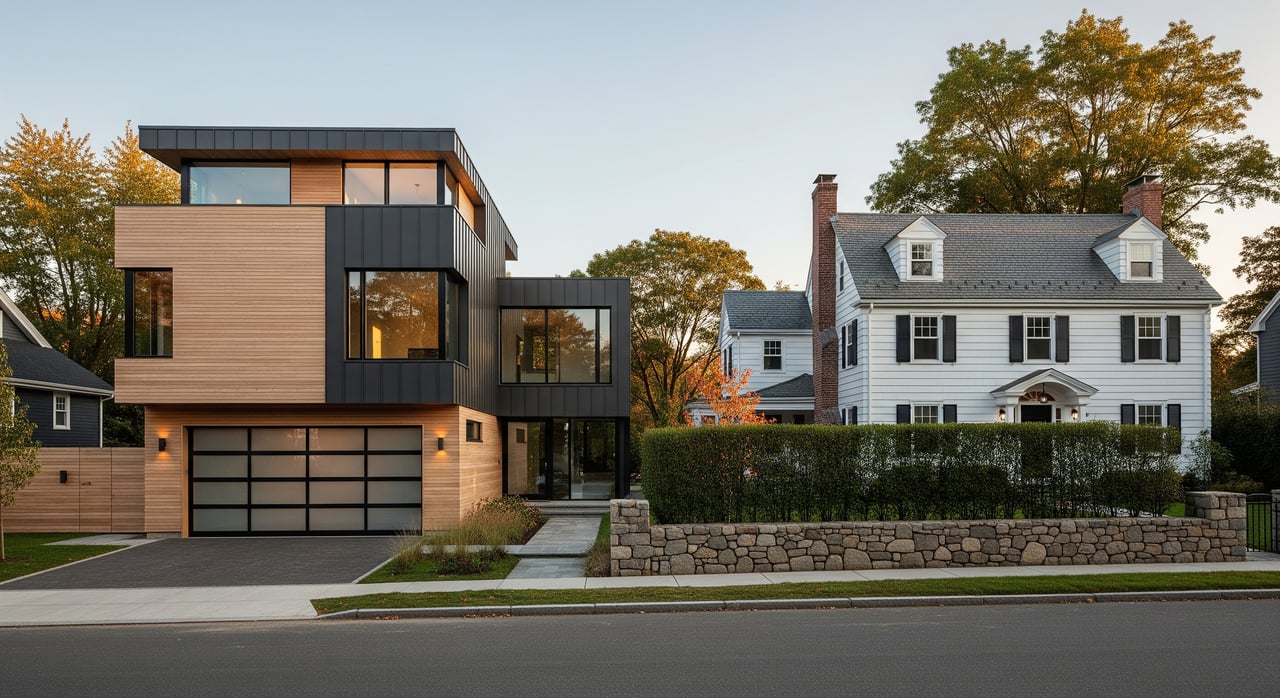
Thinking about buying in Woburn but not sure whether a brand‑new home or an established resale is right for you? You are not alone. With Greater Boston’s mix of infill construction and classic neighborhoods, the choice can feel big. In this guide, you’ll get a clear, local look at the pros and cons of each path, what to expect in Middlesex County, and practical checklists to help you decide with confidence. Let’s dive in.
New construction in Woburn: What to expect
Woburn sits along the I‑93 and Route 128 corridor, which draws buyers who want access to Boston and Cambridge job centers, suburban amenities, and regional transit connections. New construction in and around Woburn ranges from single homes on infill lots to townhome or condo communities.
Warranties and protections
One major benefit of new construction is the typical builder warranty structure. Many builders offer a one‑year workmanship warranty, a two‑year systems warranty for plumbing, electrical and HVAC, and a structural warranty that can extend up to 10 years. Coverage varies by builder, so always request the full warranty document and ask if a third‑party structural warranty is included.
In Massachusetts, builders must follow state building codes and local permitting rules. Confirm that all permits were obtained and final inspections are complete before closing.
Energy efficiency and incentives
New homes in Massachusetts are built to current state and energy codes, often with tighter building envelopes, high‑performance windows, and modern HVAC. That can mean lower heating and cooling bills compared to older homes. Many new builds are designed to support efficient systems like heat pumps, smart controls, and even solar‑ready wiring.
You may also be able to pursue utility or state incentives for high‑efficiency equipment and electrification. New construction often qualifies more easily than retrofits in older homes.
HOA and condo considerations
Many new developments include a homeowners association or a condo association. The upside is shared services like snow removal, landscaping, and exterior maintenance that keep the community looking consistent. The tradeoff is a monthly fee, rules for exterior changes, and the possibility of special assessments if reserves fall short.
If you’re considering a new condo or townhome, review the budget, reserve study, bylaws, meeting minutes, and insurance coverage before you commit.
Price, financing, and closing
With new construction, you will likely sign a purchase agreement that outlines the base price, what is included, any allowances, change‑order terms, and the delivery timeline. Some communities allow pre‑construction purchases of lots or model plans. Upgrades can add cost, so get line‑item pricing.
Financing can be more complex. Depending on the stage of construction, you might use a construction‑to‑permanent loan or a standard mortgage at completion. Lenders will review plans, contracts, and appraisals. If the appraisal at completion shifts with the market, your final loan amount could be affected.
Timing and customization
A big perk of new construction is the ability to choose finishes and sometimes adjust layouts within plan limits. You also start with new systems and appliances, which usually reduces maintenance early on. The tradeoff is timing. Construction can take months and may be delayed by weather, supply chain issues, or local permitting.
Resale homes in Woburn: What to know
Resale homes give you a faster move‑in option and a feel for an established neighborhood. In Woburn and nearby Middlesex County communities, you’ll find a range of housing ages and styles.
Inspections and contingencies
Resale purchases usually include a home inspection contingency so you can evaluate the structure, systems, and safety. You can negotiate repairs or credits based on findings. It is also smart to review municipal records to confirm that past renovations were permitted and finalized.
Unlike a builder warranty, buyer protections on resales come from inspections, seller disclosures, and any remaining manufacturer warranties on items like appliances or roofing.
Operating costs and upgrades
Older homes can have higher energy costs unless they have been updated with insulation, efficient heating or cooling, and better windows. You can make these upgrades after closing, but they add upfront expense. Plan your budget for near‑term improvements that offer a good payback.
Neighborhood character and value
Resale homes sit within a known neighborhood context. You can see traffic patterns, lot sizes, and nearby amenities right away. Mature landscaping is another plus. Established areas also provide market comparables that can support appraisal and future resale.
Financing and bidding dynamics
Financing for resales is straightforward for most buyers using standard mortgages. That said, competitive listings can draw multiple offers, and some buyers use escalation clauses to win. Your path depends on the current market conditions in Greater Boston, which influence both resale demand and interest in new developments.
Side‑by‑side pros and cons
New construction: Key pros
- Stronger warranty coverage for workmanship, systems, and structure.
- Modern energy efficiency and the potential for incentives.
- Customization of finishes and sometimes layout options.
- Lower initial maintenance risk with new systems and appliances.
New construction: Key cons
- Longer timeline with potential delays.
- More complex financing and appraisal at completion.
- Upgrades and change orders can increase total cost.
- Possible HOA or condo dues and restrictions.
Resale: Key pros
- Faster move‑in on a standard closing timeline.
- Known neighborhood setting with mature landscaping.
- Straightforward financing and contingencies.
- Potential to add value through renovations over time.
Resale: Key cons
- Limited or no warranty beyond seller disclosures and manufacturer coverage.
- Higher or variable energy costs unless upgraded.
- Deferred maintenance or hidden issues may surface.
- Fewer chances to customize without renovation.
Decision guide: Which fits you?
- Buyer A — Move in now, minimal fuss: You may prefer a well‑maintained resale that fits your timeline and budget.
- Buyer B — Customize with long‑term savings: You may lean toward new construction for efficiency, warranties, and finish choices.
- Buyer C — Investor mindset: You might favor resale for renovation potential, depending on property type and numbers.
- Buyer D — First‑time buyer with strict financing: You may find resale financing simpler, but keep an open mind for new builds with possible builder incentives.
Due diligence checklists
Questions to ask a builder
- What is the full warranty, and is a third‑party structural warranty included?
- What is included vs. optional? Ask for line‑item pricing on upgrades.
- What is the completion timeline and what happens if delays occur?
- Can you bring an independent inspector for pre‑drywall and final walkthroughs?
- What local projects has the builder completed, and can you see references?
- Are all plans permitted and inspected by the local building department?
Questions for HOAs and condo associations
- Can you review the current budget, most recent reserve study, bylaws, and past year’s meeting minutes?
- What are the monthly dues, what services are covered, and when were dues last increased?
- Are there any planned special assessments?
- Who manages the association and how is maintenance handled?
- Are there rental caps or owner‑occupancy requirements?
Resale inspection and records checklist
- Order a full home inspection and specialty inspections as needed.
- Review seller disclosures and municipal records for permits on prior work.
- Budget for near‑term upgrades like HVAC, insulation, or window improvements.
- Verify the age and condition of roof, systems, and major components.
Financing and appraisal checklist
- For new construction, confirm if your lender offers construction‑to‑perm loans and ask what documents are needed.
- Ask how the appraiser will handle a to‑be‑built home and which comparables they will use.
- Clarify builder incentives, such as closing credits or rate buydowns, and how they affect your total costs.
- For resales, discuss appraisal risks if the property receives multiple offers over list price.
Local factors in Middlesex County
Commute and access
Woburn offers quick connections to I‑93 and Route 128, with access to Greater Boston transit options via nearby hubs. Commute times vary by address, so factor daily routes into your property search.
Permitting and timelines
Local building departments manage permits and inspections. Processing times vary by municipality and can add weeks or months to a project. Ask your builder for a realistic schedule based on current local timelines.
Property taxes on new builds
When new construction is complete, the municipality assesses the finished home. Expect your tax bill to adjust to the new assessed value after inspection and recording by the local assessor.
Quick glossary
- Builder warranty: Coverage provided by the builder. Often 1 year for workmanship, 2 years for systems, and up to 10 years for structural components.
- Construction‑to‑permanent loan: A loan that funds construction and then converts to a standard mortgage at completion.
- Reserve study: A report for associations that estimates long‑term repair costs and recommended reserve funding.
- Stretch/energy code: Massachusetts energy provisions that set standards for efficient building performance.
Next steps
Choosing between new construction and resale in Woburn comes down to your timeline, budget, appetite for customization, and comfort with maintenance risk. If you want lower operating costs and warranty coverage, new may be the right fit. If you need to move quickly and value a known neighborhood setting, resale can be a smart path.
Ready to compare options side by side and tour homes that match your goals? Our local, bilingual team is here to help you weigh tradeoffs and negotiate with confidence.
- English: Ready to see options in Woburn? Schedule a tour of new communities and resale homes — book a no‑obligation showing today.
- Español: ¿Listo para ver opciones en Woburn? Programe una visita a viviendas nuevas y de reventa — reserve una visita sin compromiso hoy.
Connect with the team at Madelyn Garcia Real Estate to start your search.
FAQs
What are the main differences between new construction and resale in Woburn?
- New construction offers warranties, modern efficiency, and customization but longer timelines and possible HOA fees. Resales offer faster move‑in, established neighborhoods, and simpler financing but may need upgrades.
How do builder warranties work for Massachusetts new homes?
- Many builders offer 1 year on workmanship, 2 years on systems, and up to 10 years on structure, but terms vary, so review the full written warranty and ask if a third‑party policy backs it.
Will a resale home in Woburn cost more to operate than a new build?
- It depends on updates, but older homes often have higher energy use unless improved with insulation, efficient HVAC, and better windows; new builds usually start with lower operating costs.
What should I review before buying a condo or townhome with an HOA?
- Request the budget, reserve study, bylaws, and recent meeting minutes, and confirm services covered, dues history, and any planned special assessments.
How long does new construction typically take around Middlesex County?
- Timelines vary with permits, weather, and supply chain factors; local permitting can add weeks or months, so get a realistic schedule from your builder.
What financing hurdles should I expect with a new build vs a resale?
- New builds may require construction‑to‑perm loans and an appraisal at completion, while resales usually use standard mortgages with inspection, appraisal, and financing contingencies.