If you spend any time in Boston real estate, you hear the term triple‑decker a lot. Maybe you are wondering if one could be your path to house‑hacking or a smart long‑term home. You are not alone. In this guide, you will learn exactly what a triple‑decker is, how to evaluate condition, ways to finance 2–4 unit properties, and the Boston rules to know before you buy. Let’s dive in.
What a triple‑decker is
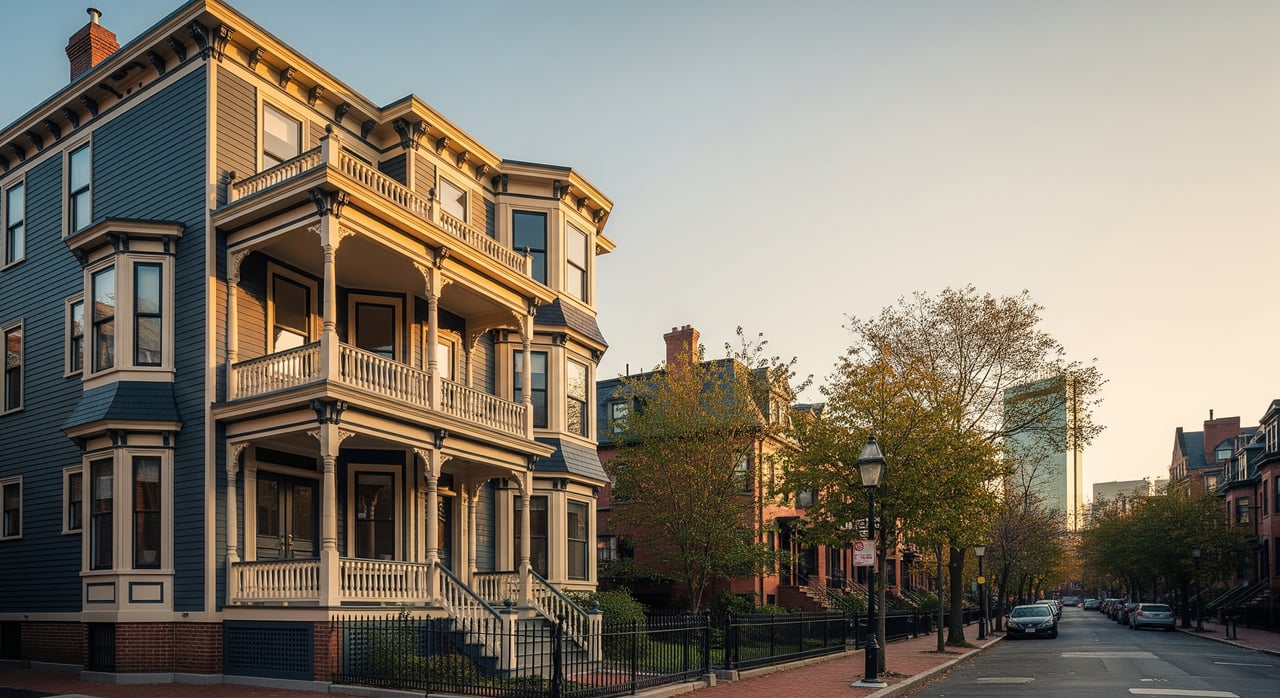
A triple‑decker, sometimes called a three‑decker, is a classic New England building type. It is usually a wood‑frame, three‑story structure with one full apartment on each floor. You often see front porches, bay windows, and a shared central stair. Most were built between the 1880s and 1930s, which is why they line many of Boston’s older residential streets.
You will find triple‑deckers across neighborhoods like Jamaica Plain, Dorchester, Roxbury, Brighton, and East Boston, along with nearby inner‑ring communities. Proximity to MBTA lines, major hospitals, and universities often supports strong renter demand. For neighborhood context and housing data, explore the Boston Planning & Development Agency’s neighborhood profiles for a high‑level overview of local patterns and trends.
How layouts usually work
The typical layout is one apartment per floor. Units commonly range from one to three bedrooms. Many buildings have updated kitchens and baths added over time. You may also see variations, like a partially finished basement unit or two smaller units combined into an owner’s duplex.
If you plan to live in one unit and rent the others, consider privacy and circulation. Separate entrances and good sound separation can make day‑to‑day living more comfortable.
What to inspect first
Older multi‑family buildings can deliver great value, but they require careful inspection. A qualified inspector who understands older 2–4 unit properties is essential.
Focus your due diligence on:
- Structure and exterior. Look for sagging or rotted porches, worn roofing, and deteriorated clapboard or trim. Check for moisture in the basement or cellar.
- Electrical and plumbing. Older buildings may have knob‑and‑tube wiring, smaller electrical panels, or galvanized pipes. Budget for upgrades if needed.
- Heating and hot water. Many triple‑deckers have older boilers or water heaters that are near the end of their useful life.
- Fire and life safety. Confirm smoke and CO detectors, adequate bedroom egress windows, and fire separation between units.
- Hazardous materials. Properties built before 1978 may have lead‑based paint. Learn your obligations as a buyer and future landlord by reviewing Massachusetts lead law guidance from the Massachusetts Department of Public Health.
A sewer line camera inspection is wise for older buildings that connect to the municipal system. Also check for pests, attic ventilation, and chimney condition. If major work is likely, get contractor estimates during your inspection window so you can budget with confidence.
Financing 2–4 unit purchases
Financing a triple‑decker is different from buying a single‑family. Many owner‑occupants use loan programs designed for up to four units, and lenders may count a portion of projected rents when qualifying you.
FHA loans for owner‑occupants
FHA backs mortgages on 1–4 unit properties for buyers who plan to live in one unit. Down payments can be as low as 3.5 percent for eligible borrowers, and the property must meet FHA standards. For policy details, review the FHA Single Family Housing Policy Handbook from HUD. You will certify that you will occupy the home as your primary residence within the program’s timeline.
VA loans for eligible veterans
Eligible veterans can use VA loans to finance up to a four‑unit owner‑occupied property, often with no down payment required. Review the VA home loan program to understand occupancy rules and entitlement limits. VA guidelines and lender overlays still apply to property condition and underwriting.
Conventional and portfolio options
Conventional mortgages are available for 2–4 unit purchases, but requirements are typically stronger than for a single‑family. Many lenders commonly expect higher down payments, for example around 15 percent for a two‑unit and around 25 percent for three‑ or four‑unit properties. Lenders also often require additional months of reserves and tighter debt‑to‑income ratios. Local community banks may offer portfolio loans that are more flexible on property condition or rental history.
How lenders view rental income and occupancy
Lenders may allow a percentage of projected rental income to help you qualify, frequently using a discount such as 75 percent of gross rents. They may ask for leases, an appraiser’s market rent schedule, or both. Most owner‑occupied programs require you to move in within a set period, often within 60 days, and remain for at least 12 months. For consumer‑friendly mortgage guidance, the Consumer Financial Protection Bureau’s Owning a Home resource is a helpful starting point.
Boston rules to know
If you plan to rent any unit, you must follow city and state regulations. Build these steps into your timeline and budget.
Rental registration and inspections
Boston requires landlords to register rental units with the City and comply with safety standards. Learn the process, fees, and inspection requirements by reviewing the City of Boston’s rental property registration guidance. Staying compliant protects tenants and reduces your risk.
Lead paint responsibilities
For homes built before 1978, federal law requires lead disclosure to buyers and renters. Massachusetts law goes further, especially when children under six live in a unit. Review the Massachusetts lead law to understand inspection, deleading, and compliance options. Plan for potential deleading costs if you intend to rent to households that include young children.
Zoning and conversions
Zoning rules are block specific in Boston. Many residential districts allow two or three units by right, but lot size, setbacks, parking, and conversions vary. Before pursuing a change of use, condo conversion, or any addition, review the Boston Zoning Code and relevant maps through the BPDA. Permits and code compliance will apply to larger renovations.
Rental demand signals
Tenant demand in Boston is often strongest near MBTA lines, job centers, universities, and medical hubs. Neighborhoods with quick access to the Red, Orange, Green, or Blue Lines usually see steady interest. Unit size, condition, and proximity to transit affect rent levels across districts.
Rents and vacancies change by season and by block. Ask your agent for recent MLS rent comps and current neighborhood market reports. Use conservative projections when you model cash flow and plan for some vacancy and maintenance reserves.
House‑hacking tips
Owner‑occupants often buy a triple‑decker to reduce their housing cost. The strategy can work well if you plan carefully.
- Occupy one unit to access the best loan terms and pricing. Follow your loan program’s occupancy timeline.
- Prioritize privacy. Separate entries and good sound insulation improve your quality of life.
- Set smart lease terms. Fixed‑term leases help with stability. Try to align lease rollover dates with your budgeting cycle.
- Be realistic about cash flow. Market rents may not cover mortgage and operating costs every month. Build a reserve for repairs, insurance, and capital projects like porches or roofs.
- Know your role. Even if you self‑manage, you must follow Massachusetts landlord‑tenant law for notices and procedures.
Quick buyer checklist
Use this shortlist as you evaluate a Boston triple‑decker:
- Confirm zoning and permitted use for the parcel through the BPDA and the City.
- Hire an inspector experienced with older multi‑families. Get contractor quotes for larger items early.
- Obtain a preapproval specific to 2–4 units. Ask how rental income will be counted and what reserves are required.
- Review Boston rental registration steps and timeline. Plan for lead law compliance on pre‑1978 buildings.
- Run conservative pro formas. Include vacancy, maintenance, insurance, and a capital reserve line.
- Decide whether to self‑manage or hire a manager. Price out management fees if you plan to outsource.
En español: resumen rápido
- ¿Qué es un triple‑decker? Edificio de tres pisos con un apartamento por nivel, común en Boston.
- ¿Puedo vivir en una unidad y alquilar las otras? Sí, muchos programas de préstamo lo permiten si ocupa la propiedad como residencia principal.
- Opciones de financiamiento para 2–4 unidades. FHA, VA para veteranos, y préstamos convencionales con requisitos de pago inicial y reservas más altos.
- Inspecciones clave. Porches, techo, electricidad y plomería antiguas, calefacción, detectores de humo/CO, y pintura con plomo en casas anteriores a 1978.
- Reglas de la Ciudad de Boston. Registro de alquileres, inspecciones de seguridad y cumplimiento con la ley de plomo.
Next steps
A triple‑decker can be a flexible way to live in Boston while building long‑term equity. The keys are careful inspection, the right financing strategy, and early planning for city compliance and leasing. If you want help identifying solid buildings, modeling rents, and connecting with local lenders and inspectors, our team is here for you.
Reach out to Madelyn Garcia Real Estate for bilingual, hands‑on guidance and a neighborhood‑level plan that fits your goals.
FAQs
What counts as a triple‑decker versus a duplex or four‑family?
- A triple‑decker is typically a three‑story, wood‑frame building with one apartment per floor, while a duplex has two units and a four‑family has four units within the same small multi‑family category.
Can I use FHA or VA to buy a 3‑ or 4‑unit if I live there?
- Yes, FHA and VA both back loans for up to four units for eligible owner‑occupants, subject to program rules, property standards, and occupancy requirements.
What inspections matter most for older triple‑deckers in Boston?
- Prioritize structure and porches, roof and exterior, electrical and plumbing, heating systems, fire separation and egress, and potential lead‑based paint in pre‑1978 homes.
What are typical maintenance priorities in these buildings?
- Common capital items include porch repairs, roof replacement, electrical panel upgrades, heating system replacement, chimney work, and possible deleading or insulation improvements.
Do I need permits or registrations to rent units in Boston?
- Yes, Boston requires rental unit registration and safety compliance through the City’s Inspectional Services Department, along with smoke and CO detector standards.
How do I estimate rental income and vacancy risk?
- Use recent MLS rent comps and conservative assumptions, discount projected rents, and include a vacancy and maintenance reserve in your cash‑flow model.
What should first‑time house‑hackers expect day to day?
- Expect to handle leasing, maintenance requests, and legal notices on time, or hire a manager, and plan to occupy one unit to access favorable owner‑occupant financing.
[Resources]
- Boston neighborhood context: Boston Planning & Development Agency neighborhood profiles
- Rental registration: City of Boston Inspectional Services
- Lead law guidance: Massachusetts Department of Public Health
- FHA policy: HUD Single Family Housing Policy Handbook
- VA home loans: U.S. Department of Veterans Affairs
- Mortgage basics: CFPB Owning a Home
Embedded links above:
- Boston Planning & Development Agency’s neighborhood profiles: https://www.bostonplans.org/research-maps/research/neighborhood-profiles
- City of Boston’s rental property registration guidance: https://www.boston.gov/departments/inspectional-services/rental-property-registration
- Massachusetts lead law: https://www.mass.gov/lead-law
- HUD handbook: https://www.hud.gov/program_offices/housing/sfh/handbook_4000-1
- VA home loan program: https://www.va.gov/housing-assistance/home-loans/
- CFPB Owning a Home: https://www.consumerfinance.gov/owning-a-home/