Thinking about buying a home in Salem and wondering what daily life feels like beyond Halloween? You are not alone. Salem blends small‑city convenience with a big calendar of events, coastal scenery, and a strong commuter link to Boston. In this guide, you will learn how the seasons shape your week, what to expect for transit and parking, how different home types fit different lifestyles, and the practical details that help you thrive as a year‑round resident. Let’s dive in.
Why Salem works year‑round
Salem is a historic coastal city with a steady cultural heartbeat. The Peabody Essex Museum offers ongoing exhibitions and resident-friendly programming that keeps downtown active through every season. You can check hours and admission details on the museum’s visitor page at the Peabody Essex Museum. Nearby, the Salem Maritime National Historic Site anchors the waterfront with Derby Wharf and public green spaces that feel calm on winter weekdays and lively on sunny weekends.
Education and healthcare also shape daily life. Salem State University brings several thousand students to the city each year, which supports local businesses and weekend activities. Salem Hospital provides regional care and specialty services, a plus if you value having a medical hub close by.
Season by season: what to expect
October peak: Haunted Happenings
October is Salem’s biggest month. The city hosts Haunted Happenings, a month‑long schedule of parades, street festivals, and extended business hours that draws well over a million visitor‑visits in the fall season. The official Haunted Happenings guide publishes event info, road closures, and tips for navigating the crowds.
Here is the resident reality. Weekend driving downtown is tough, parking fills early, and street closures are common. Many locals shift to the commuter rail or ferries instead of driving. The rail operator adds extra weekend trains on the Newburyport/Rockport Line throughout October, detailed in this Keolis service notice. If you plan ahead, the month feels festive without adding stress.
Summer and shoulder seasons
June through September brings a lighter, more spread‑out buzz. Waterfront spots like Salem Willows and Pickering Wharf are local favorites, and the Salem Jazz & Soul Festival adds music to the shoreline. If you prefer to skip traffic entirely, Massachusetts promotes public transport by boat, and Salem’s seasonal ferry to Boston fits that model. You can review water‑transport options on the state’s overview of public transportation by boat. Expect busier waterfront parking on warm weekends and plenty of outdoor dining.
Winter and early spring
Winter is calmer on the visitor front, which many residents enjoy. When it snows, the city activates snow‑emergency rules: temporary parking restrictions, tow zones, and required sidewalk clearing for property owners. Before the first storm, bookmark the City of Salem’s Snow Emergency Central for maps and rules. With a good shoveling routine and a plan for your car, winter is very manageable.
Getting around without stress
Commuter rail to Boston
Salem’s MBTA station on the Newburyport/Rockport Line is a major asset for year‑round residents. The station has an intermodal garage with 700 plus spaces and a platform designed for frequent service. Typical rides to Boston’s North Station are about 30 to 40 minutes depending on the schedule. For station background and garage details, see the Salem station overview. Trains can be busy during October weekends, so check current timetables and any special service updates before you go.
Ferry in season
In warmer months, many residents take advantage of the seasonal Salem to Boston ferry for both leisure and some commuter trips. Service is seasonal rather than year‑round, so it is best for spring through early fall travel. To understand regional ferry commuting at a glance, review the state’s guide to public transportation by boat.
Salem Skipper microtransit
For short trips around town, the city’s on‑demand rideshare, Salem Skipper, is a convenient and affordable option. Fares are typically in the 2 to 3 dollar range depending on time of day, and riders commonly use it to connect to the commuter rail or run errands. Learn how it works at Salem Skipper.
Parking basics
Downtown parking is intentionally tight. Essex Street has a pedestrian mall, and municipal lots and garages serve both residents and visitors. The MBTA garage near the station is a key park‑and‑ride hub, but it can fill on busy days. During special events, the city directs visitors to remote lots or shuttles and encourages train or ferry use. In winter storms, always follow the city’s snow emergency rules for legal parking locations and timelines.
Homes and neighborhood fit
Downtown condos for walkability
If you want a low‑maintenance lifestyle with easy access to restaurants, museums, and the train, downtown flats and condos are a strong fit. Many are in converted historic buildings or newer infill projects. Parking may be limited or assigned off‑site, so confirm your space and guest options before you buy.
Historic single‑family charm
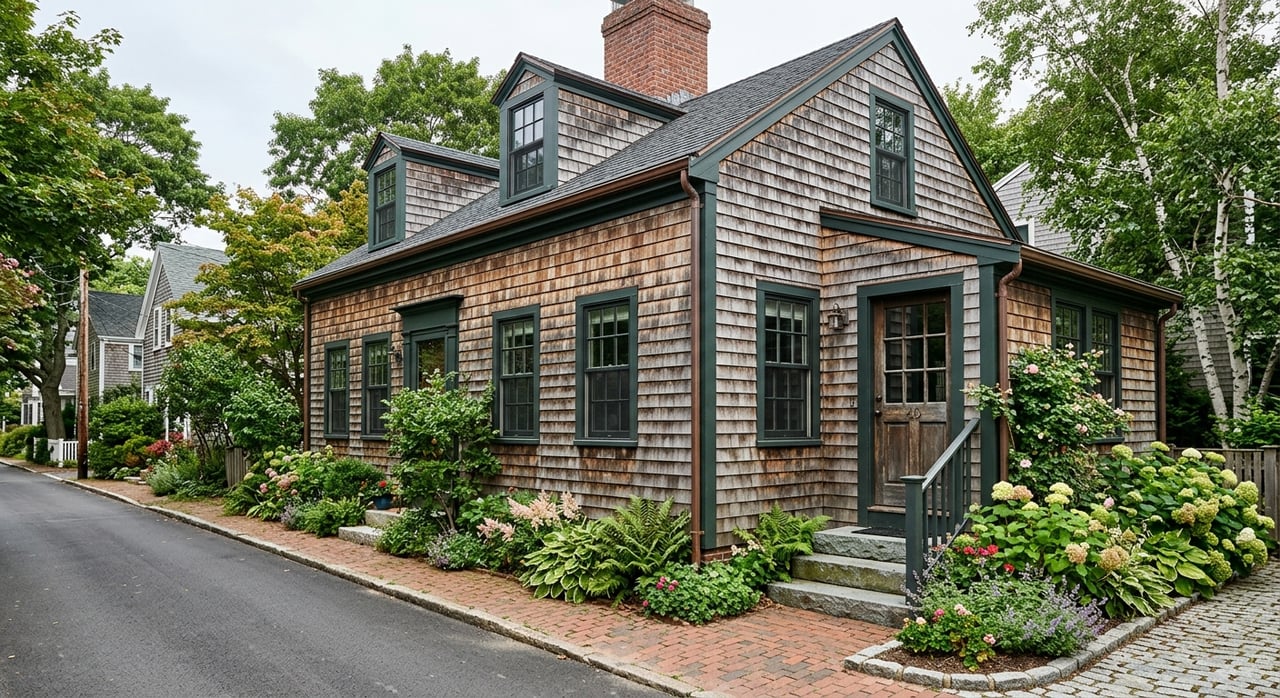
Victorian and Federal‑era homes near Chestnut Street, Federal Street, and the McIntire historic fabric offer character, larger trees, and a gracious streetscape. Exterior work in local historic districts often requires review. Before planning a window or siding project, confirm if the property is in a local historic district and learn what approvals are needed. Historic Salem, Inc. shares useful background on local review and preservation at Historic Salem.
Multi‑family for flexibility
Two to four unit buildings are common and can support multi‑generation living or rental income. In recent years, the city has adopted policies that affect conversions and tenant protections. Because zoning and housing rules can change, check current ordinances with the City of Salem’s Planning or Housing offices before you commit to a conversion plan. Municipal updates are posted on the city’s news pages.
Waterfront living and flood risk
Derby Wharf, Winter Island, portions of Salem Neck, and other low‑lying areas have coastal flood exposure. The state actively funds resilience planning and site work in communities like Salem, with projects that include Winter Island and other shoreline improvements. For context on these investments, see the state’s update on coastal resilience funding. If you are considering a near‑water property, review FEMA flood maps, local flood studies, and potential insurance needs before you finalize your budget.
Ownership costs and market snapshot
Salem’s pricing sits in a North Shore sweet spot compared to many closer‑in Boston neighborhoods. Recent market trackers show different but useful views. Zillow’s home value index placed the average Salem value near 590 to 600 thousand dollars as of January 2026, while Redfin reported a median sale price around 540 thousand dollars with a typical days‑to‑pending pace near 22 days at that time. Different methodologies often create gaps between indices, but both point to steady buyer demand and reasonably quick market movement.
Beyond price, factor in season‑specific costs. Older homes may have higher winter heating bills. Waterfront properties can require flood insurance and salt‑air maintenance for metal fixtures and HVAC. Historic homes may carry periodic exterior projects that need commission approval if located in a local district. If you are financing, your lender will help quantify insurance requirements for your address, and a detailed inspection will clarify maintenance priorities.
Resident tips to thrive
- Plan for October. Use the commuter rail’s expanded weekend service, follow the official Haunted Happenings guidance, and avoid driving downtown on peak days.
- Make a snow plan. Know where you can legally park and review the city’s Snow Emergency Central. Budget time for sidewalk clearing after storms.
- Test your commute. Do a weekday ride on the MBTA to North Station and time the first and last mile from home to the platform. For station and garage context, see the Salem station overview.
- Use microtransit. Try Salem Skipper for quick errands, rail connections, and days when parking is tight.
- Lean into culture. Resident memberships at the Peabody Essex Museum and visits to the Salem Maritime National Historic Site add year‑round value to living downtown.
- Check historic rules early. If you plan exterior work, confirm district boundaries and review steps with resources from Historic Salem.
- Verify waterfront details. Before you buy near the shoreline, review flood maps and skim the state’s note on coastal resilience funding to understand local planning efforts.
Is Salem right for you?
If you want coastal charm, a lively cultural scene, and a direct rail link to Boston, Salem is an excellent year‑round home base. October is intense but well managed with extra transit and city guidance. Summer and early fall offer waterfront living at its best. Winter brings quiet streets and a clear set of snow rules that let you plan ahead. With the right home type, transportation routine, and seasonal checklist, you can enjoy the best of Salem every month of the year.
Ready to talk through neighborhoods, compare home types, or map a custom buying strategy? Reach out to Madelyn Garcia Real Estate for a friendly, local conversation about your goals. Hablamos Español.
FAQs
How does Halloween affect daily life for Salem residents?
- October brings very high visitor volumes, street closures, and crowded downtown weekends. Residents often shift to train or ferry travel and follow the city’s and Haunted Happenings guidance to avoid driving during peak times.
What is the typical Boston commute from Salem?
- The MBTA commuter rail to North Station is about 30 to 40 minutes depending on the schedule. The station’s intermodal garage and platform upgrades make it a reliable hub; see the Salem station overview for context and check current timetables before traveling.
Are there special rules for renovating historic homes in Salem?
- Yes. Exterior work in local historic districts often requires commission approval. Confirm district status before planning a project and review guidance from Historic Salem.
What should I know about flood risk if I buy near the water?
- Waterfront and low‑lying areas can face coastal flooding. Review FEMA flood maps, budget for flood insurance if required, and stay informed on state and local coastal resilience funding.
How does winter parking work during snow emergencies in Salem?
- The city announces snow emergencies with temporary parking restrictions and tow‑away zones. Property owners must clear adjacent sidewalks. Review maps and rules on Snow Emergency Central.
Which Salem home types fit a low‑maintenance lifestyle?
- Downtown condos and modern infill units offer walkability and reduced upkeep. Parking can be limited or assigned off‑site, so confirm space details and guest options before you buy.