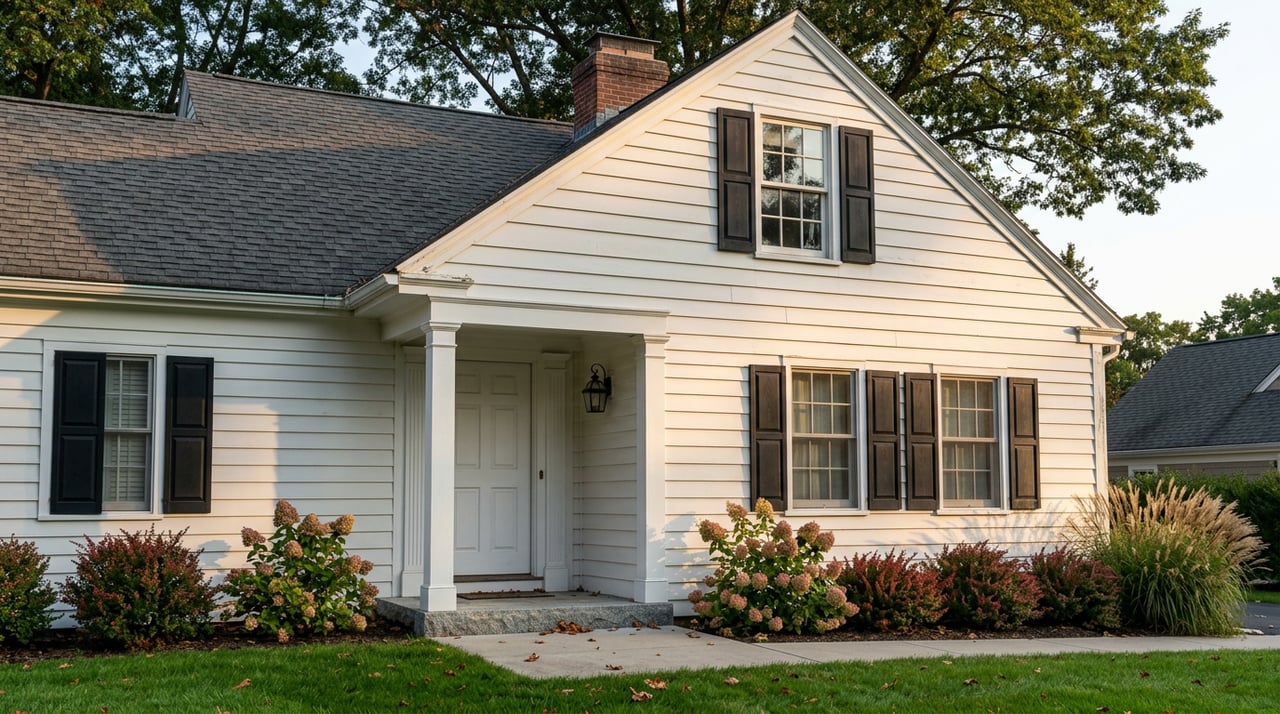
If you price your Chelsea home too high, you can lose the strongest buyer interest before it ever turns into an offer. If you price it too low, you may leave money on the table. In a market where some homes still sell above list while others need price drops, the right number takes more than a quick online estimate. This guide will show you how to think about pricing your Chelsea home in today’s market and what can help you launch with confidence. Let’s dive in.
Why Chelsea pricing takes nuance
Chelsea is active, but it is not one-size-fits-all. Redfin’s latest Chelsea market data shows a March 2026 median sale price of $440,000, 29 median days on market, and 23.5% of homes selling above list price. At the same time, Realtor.com reports a $492,000 median home sale price and 52 days on market, while Zillow puts the average home value at $526,190 with a $475,000 median list price.
Those numbers are not necessarily conflicting. They measure different things, including sold prices, list prices, and estimated values. For you as a seller, the takeaway is simple: online numbers can help set a range, but they should not be your final pricing strategy.
Start with sold comps
The strongest place to begin is with recent sold comparable homes, often called comps. That means looking at properties that match your home as closely as possible in type, size, condition, and location within Chelsea.
Sold comps matter because they show what buyers actually paid, not just what sellers hoped to get. Current listings still matter, but they are better used as a reality check against your competition. A smart list price usually starts with sold data and then gets adjusted based on what buyers can choose from right now.
Why property type matters
In Chelsea, condos and single-family homes can behave very differently. According to Massachusetts Association of Realtors market data, full-year 2025 single-family homes had a median sale price of $658,000 and received 100.7% of original list price, with 28 median days on market. Condos had a $427,500 median sale price, received 97.8% of original list price, and took 50 median days on market.
That pattern continued into early 2026. The February 2026 Chelsea update showed single-family homes at a $652,500 year-to-date median sale price and 101.2% of original list price received, compared with condos at $479,000 and 98.0%.
If you own a condo, your pricing strategy should not mirror a single-family home, and vice versa. Buyer expectations, available inventory, and negotiating room can look very different depending on the property type.
Check your competition
Once sold comps establish the starting point, the next step is to compare your home with active listings. Buyers will always stack your property against what else is available in Chelsea right now.
This matters even more in a market with limited but changing inventory. Realtor.com shows 28 active listings in Chelsea, while Zillow reports 31 homes for sale. If your home is priced above similar active listings without a clear reason, buyers may skip it before they ever schedule a showing.
Watch inventory by segment
Inventory conditions are not the same across property types. The year-end 2025 MAR report showed just 1 single-family listing and 0.5 months of supply, compared with 21 condo listings and 2.5 months of supply.
That gap helps explain why some single-family homes can push pricing more aggressively while condos may need tighter positioning. In plain terms, the less direct competition you have, the more room you may have to test the market. The more competition you face, the more precise your pricing usually needs to be.
Factor in buyer affordability
Pricing is not just about value on paper. It is also about what buyers can comfortably afford each month.
Chelsea has a substantial renter base, with a 26.0% owner-occupied housing rate, a median owner-occupied value of $493,500, and median gross rent of $1,956. That can create a buyer pool that pays close attention to monthly costs, especially for first-time buyers and condo shoppers.
Mortgage rates also matter. Freddie Mac reported that the 30-year fixed mortgage averaged 6.30% on April 16, 2026. When rates stay elevated, even a small jump in price can change affordability and shrink your buyer pool.
Location inside Chelsea can shift value
Not every part of Chelsea competes the same way. Access, layout, and convenience all affect how buyers compare homes. Chelsea is served by seven bus routes and one commuter rail line, which can influence how buyers value location and commute options.
That does not mean every nearby home should be priced the same. It means your specific location and daily convenience should be weighed carefully against the comps you use.
Condition can move your price
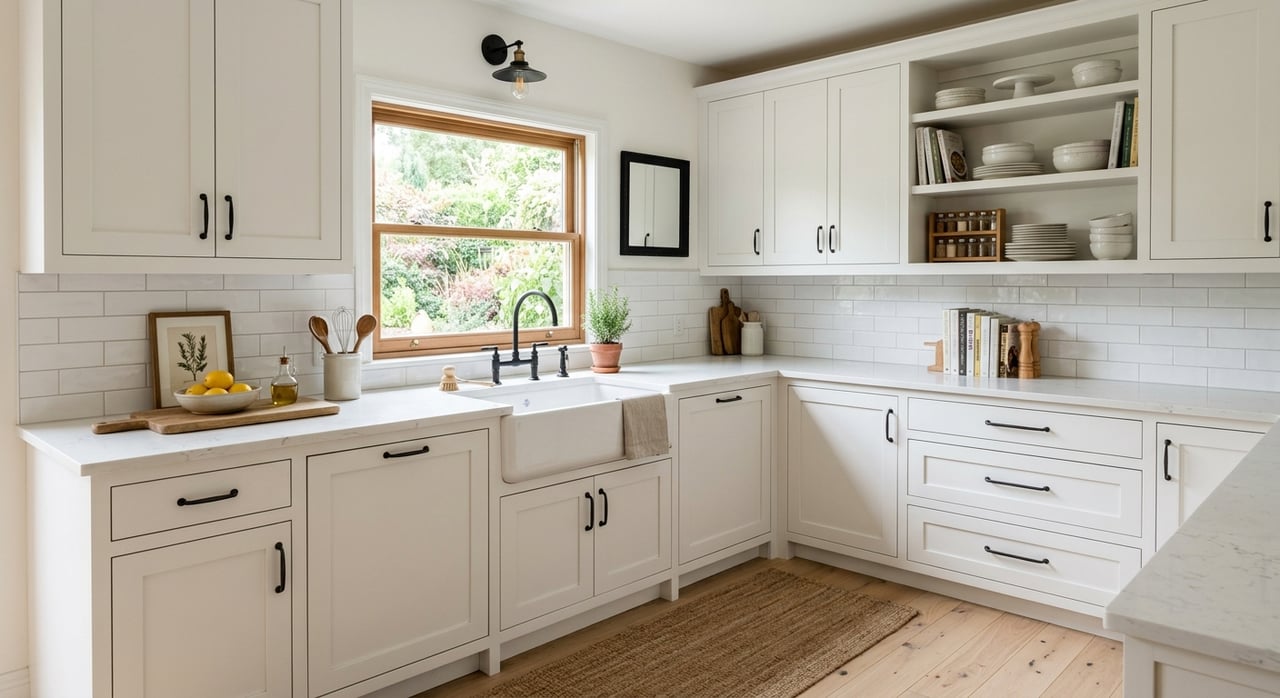
Two homes with similar square footage can attract very different offers if one feels move-in ready and the other needs work. Buyers are often comparing kitchens, living rooms, bedrooms, and overall upkeep as much as they are comparing numbers on a listing sheet.
According to the National Association of Realtors’ 2025 staging profile, 29% of sellers’ agents said staging increased offers by 1% to 10%, and 49% said staging reduced time on market. The report also found that buyers cared most about the living room, primary bedroom, and kitchen.
Small improvements still matter
You do not always need full staging to improve your position. The same NAR report found that many sellers’ agents recommended decluttering and correcting property faults even when full staging was not used.
That matters when pricing because buyers tend to notice condition quickly. If your home is clean, well-presented, and easier to picture living in, you may have more support for your asking price. If it needs visible work, your pricing should reflect that honestly.
Use pricing bands strategically
A smart list price is not only about the exact value. It is also about where your home appears in buyer searches.
Redfin’s pricing band analysis found that the effect is usually modest, but it matters most near common search thresholds. For example, a home priced just above a major cutoff may miss buyers searching below that number.
In Chelsea, this can be especially important for condos, starter homes, and payment-sensitive buyers. The goal is not to chase a round number. The goal is to choose the bracket that best matches the comparable market and the buyer pool most likely to act.
Know when the price is too high
Even in a competitive market, overpricing can slow you down fast. Redfin reports that 23.5% of Chelsea homes sold above list, but also that 21.7% had price drops. That tells you the market can reward precise pricing, but it does not automatically forgive a number that misses the mark.
If your home is getting few showings, limited online interest, or no offers, price may be the issue. Zillow’s seller guidance notes that if views and showings are not leading to offers, pricing is often the problem.
The first two weeks matter most
The launch window is important. Zillow notes that showing activity often drops after the first two weeks, and if a home is still not attracting interest after about a month, a price adjustment may be warranted.
That is why it is usually better to come to market with a well-supported price than to start high and hope to chase the market later. Homes that sit too long can develop a stigma, and repeated small reductions may weaken your position more than one timely adjustment.
A practical Chelsea pricing approach
If you want to price your Chelsea home with confidence, focus on a clear process instead of a guess. A strong pricing strategy usually includes:
- Recent sold comps that closely match your home
- Separate analysis by property type, especially condo versus single-family
- A review of active competing listings
- Honest adjustments for condition, updates, and presentation
- Awareness of buyer affordability and mortgage rates
- Smart placement within search-friendly price bands
- A plan to react quickly if early market feedback is weak
In today’s Chelsea market, the right price is usually not the highest number you can justify. It is the number that attracts the right buyers, creates urgency, and gives your home the best chance to sell on strong terms.
When you want local guidance grounded in real Chelsea market experience, Madelyn Garcia Real Estate can help you evaluate your home, your competition, and the pricing strategy that makes sense for your goals.
FAQs
How do I price a condo in Chelsea, MA?
- Start with recent sold condo comps in Chelsea, then compare your unit’s condition, size, and location against current active condo listings rather than using single-family sales as your benchmark.
How do I know if my Chelsea home is overpriced?
- Warning signs include low showing activity, few online inquiries, no offers, or buyer feedback that suggests better value is available elsewhere.
Why do Zillow, Redfin, and Realtor.com show different Chelsea home values?
- These sites use different datasets and definitions, so their numbers should be treated as a general range rather than one exact answer for your home.
Does staging help when selling a home in Chelsea?
- Staging or simple prep like decluttering and fixing visible issues can help your home show better, and NAR reported that many agents saw faster sales and, in some cases, higher offers.
When should I reduce the price of a Chelsea listing?
- If your home is not getting strong interest in the first few weeks or still lacks traction after about a month, it may be time to revisit the price based on market feedback.