If you picture classic Boston living, chances are you see a brownstone stoop, tall windows, and a row of historic homes lining a city block. These homes carry real charm, but day-to-day life in a Boston brownstone is also shaped by stairs, shared building decisions, and historic preservation rules. If you are thinking about buying, selling, or simply learning more about these iconic properties, this guide will help you understand what makes them special and what ownership often involves. Let’s dive in.
Where Boston brownstones are found
In Boston, the classic brownstone image is most closely tied to Back Bay, the South End, Beacon Hill, and Bay Village. According to City of Boston neighborhood materials, Back Bay is known as an early planned residential district with blocks of three- to four-story brownstones, while Beacon Hill and Bay Village are known for attached brick townhouses and row houses.
The South End is described by the city as Boston’s largest urban Victorian neighborhood, and its streets are dominated by red-brick rowhouses. In everyday Boston real estate language, “brownstone” often refers more broadly to this historic attached-house style, not just homes made entirely of brown sandstone. That is why you may hear the term used across several different historic neighborhoods.
What gives brownstones their signature look
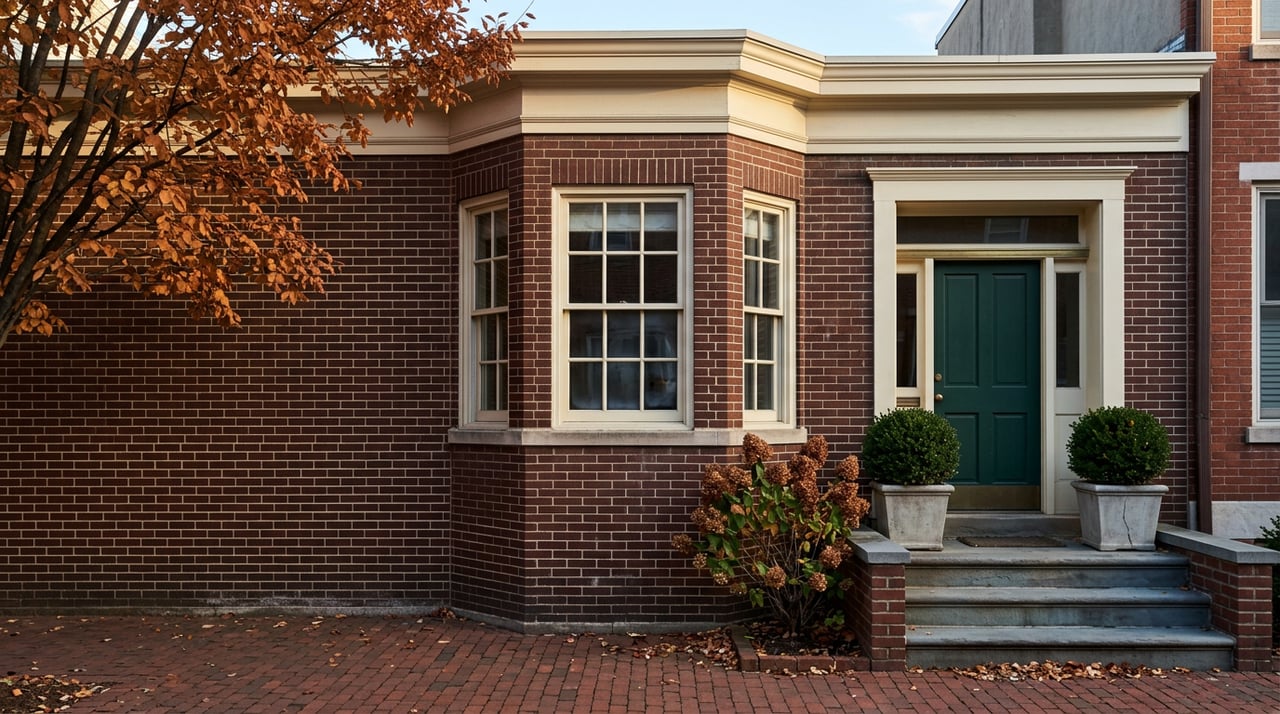
Boston brownstones stand out because their streetscapes feel consistent and elegant. Historic district guidance for Back Bay points to features like raised stoops, brownstone or granite steps, cornice lines, bay and oriel windows, masonry facades, and decorative ironwork.
Those repeating design details are not accidental. In Back Bay, original deed restrictions on height, setback, and building materials helped create the continuous street walls and uniform look that buyers still love today. Similar preservation guidance in Beacon Hill and the South End also places strong emphasis on masonry, trim, window openings, and ironwork.
Common features you may notice
- Raised stoops and front steps
- Attached row-house layout
- Brick or stone facades
- Bay and oriel windows
- Decorative railings and ironwork
- Strong cornice lines and repeated facade patterns
For many buyers, these details are a big part of the appeal. They create a sense of history and place that is hard to replicate in newer construction.
How brownstone living feels day to day
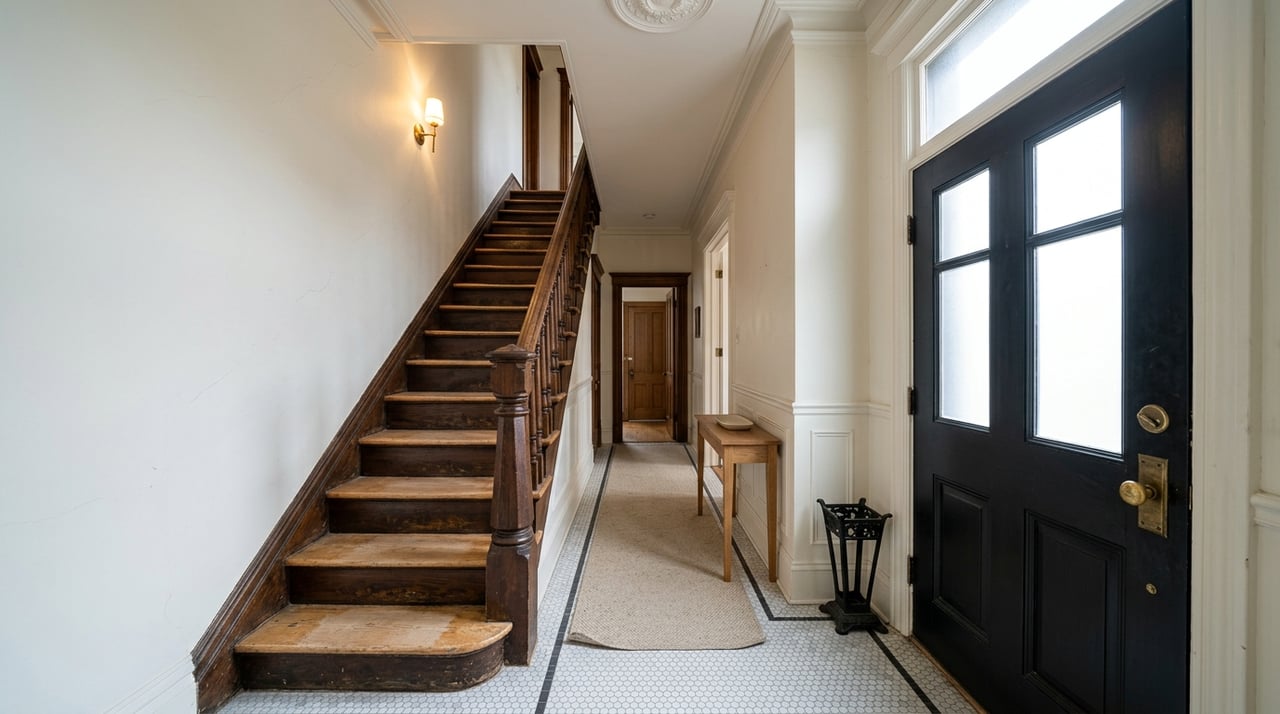
One of the biggest lifestyle differences in a Boston brownstone is that the home often lives vertically. A preserved Back Bay example, the Gibson House Museum, shows why these homes are so often described this way. The museum highlights multiple levels of living space and notes that tours involve several flights of stairs.
While not every brownstone has the exact same layout, the example is useful because it reflects a common townhouse pattern in Boston. Living, dining, cooking, storage, and sleeping areas may be spread across multiple floors, which can shape how you move through the home every day.
What vertical living can mean for you
- You may go up and down stairs often during the day
- Storage may be divided between different levels
- Entertaining spaces and private spaces may be separated by floor
- Lower levels may include utility or service areas
The Gibson House also shows how older Boston townhouses were organized socially, with separate work and living spaces such as the kitchen, laundry room, and staff areas. In modern use, that older floor-by-floor separation can still influence how a home functions, even after updates.
Condo ownership in brownstone buildings
Many Boston brownstones are now divided into condominiums rather than used as single-family homes. Under Massachusetts condo law, you own your individual unit plus a percentage interest in the common areas, while the condo association or trust manages shared maintenance, repairs, and common expenses.
That matters because condo fees are not always identical from one unit to another. State materials note that common-expense formulas can take into account unit location, amenities, and limited common areas. If you are comparing two units in the same type of building, it is worth looking closely at what the monthly fee covers and how the building handles reserves and repairs.
Why exterior decisions are more involved
In historic districts like Back Bay and the South End, exterior changes are not handled unit by unit in a simple way. Back Bay historic district guidelines explain that a multiple-ownership building is reviewed as a single building when exterior work is proposed, and approval is required before work begins.
In practice, that means your renovation goals may involve more than your own preferences. You may need building-level agreement, commission review, and a design approach that matches the historic character of the property.
Maintenance and preservation matter
Owning a Boston brownstone usually means caring for older materials thoughtfully. Historic district standards in Back Bay, Beacon Hill, and the South End emphasize repair-in-kind, which means original features such as masonry, windows, doors, stoops, railings, and trim are generally expected to be retained or duplicated in matching form when replacement is necessary.
For example, Beacon Hill guidelines discourage non-historic substitutions such as vinyl-clad windows and flush doors. Back Bay guidance also notes that brownstone repairs should match the original in composition, appearance, and texture.
Budget items buyers should keep in mind
When you buy in a brownstone building, your budget may include more than just the mortgage. Shared ownership and preservation standards can affect ongoing costs in several ways:
- Condo fees and shared common expenses
- Reserve contributions for future building work
- Exterior repair approvals and project timelines
- Specialized masonry, roofing, and window trades
- Preservation-minded materials and methods
These costs are not automatically a negative. They are simply part of the tradeoff that comes with owning a home in one of Boston’s most recognizable historic property types.
Renovation flexibility may be limited
If your dream is to completely rework the exterior or add a dramatic rooftop feature, it is important to understand the rules early. Historic district guidance in Back Bay and similar districts shows that roof decks, rooftop additions, and visible roof structures are tightly controlled.
That does not mean updates are impossible. It does mean that changes often need careful planning, proper approvals, and realistic expectations about what can be done while preserving the building’s historic appearance.
Lower levels need extra attention
In older Boston brownstones, basement and garden-level spaces deserve close review. Boston’s Climate Ready report for the Charles River neighborhoods places Back Bay and Beacon Hill in a focus area exposed to future flood-risk scenarios. The same city materials note that many Bay Village buildings were raised in 1868 because of flooding.
For buyers, that history makes moisture, drainage, and flood planning especially important. If you are considering a lower-level unit or a building with significant basement use, you will want to pay close attention to how the property handles water management and maintenance.
Who brownstone living tends to suit
Boston brownstones often appeal to buyers who value historic character, central location, and architectural detail. They can be a great fit if you appreciate a home with personality and you are comfortable with stairs, shared decision-making in condo buildings, and the responsibilities that come with preservation-minded ownership.
They may feel less practical if you want a low-maintenance property with fewer building rules or a more open, single-level layout. The right fit depends on your priorities, lifestyle, and comfort with the realities of an older urban home.
What sellers should know
If you are selling a brownstone condo or townhouse, buyers are usually drawn first to the details that make the property feel distinctly Boston. Original windows, ironwork, stoops, masonry, and period character can all help tell the story of the home.
At the same time, informed buyers will also look at the practical side. They may ask about condo documents, monthly fees, reserves, recent exterior work, and any required approvals for past changes. Clear information and thoughtful preparation can help your listing stand out and build buyer confidence.
Whether you are buying your first Boston condo or preparing to sell a historic property, having a local guide matters. The team at Madelyn Garcia Real Estate offers hands-on, bilingual support to help you understand your options, evaluate the details, and move forward with confidence.
FAQs
What neighborhoods are most associated with Boston brownstone homes?
- Boston brownstones are most closely associated with Back Bay, the South End, Beacon Hill, and Bay Village, where attached historic row houses and townhouses define many blocks.
What is daily life like in a Boston brownstone home?
- Life in a Boston brownstone often involves vertical living, with rooms spread across multiple floors, frequent stair use, and a level-by-level layout that can shape storage, entertaining, and daily routines.
What should buyers know about condo ownership in Boston brownstones?
- Buyers should know that condo ownership usually includes an individual unit plus a shared interest in common areas, with condo fees, shared repairs, and association decisions playing a major role in ownership.
What exterior changes are restricted in Boston historic brownstone districts?
- Exterior work in historic districts often requires approval, and changes to masonry, windows, doors, stoops, roof decks, and visible roof structures may be closely regulated.
What maintenance issues matter most in older Boston brownstone buildings?
- Masonry condition, window and trim preservation, roofing, drainage, basement moisture, and repair methods that match historic materials are some of the most important maintenance considerations.
Are lower-level brownstone units in Boston worth extra review?
- Yes, lower-level units and basement spaces deserve extra attention because city materials highlight flood history and future flood-risk concerns in areas like Back Bay, Beacon Hill, and Bay Village.