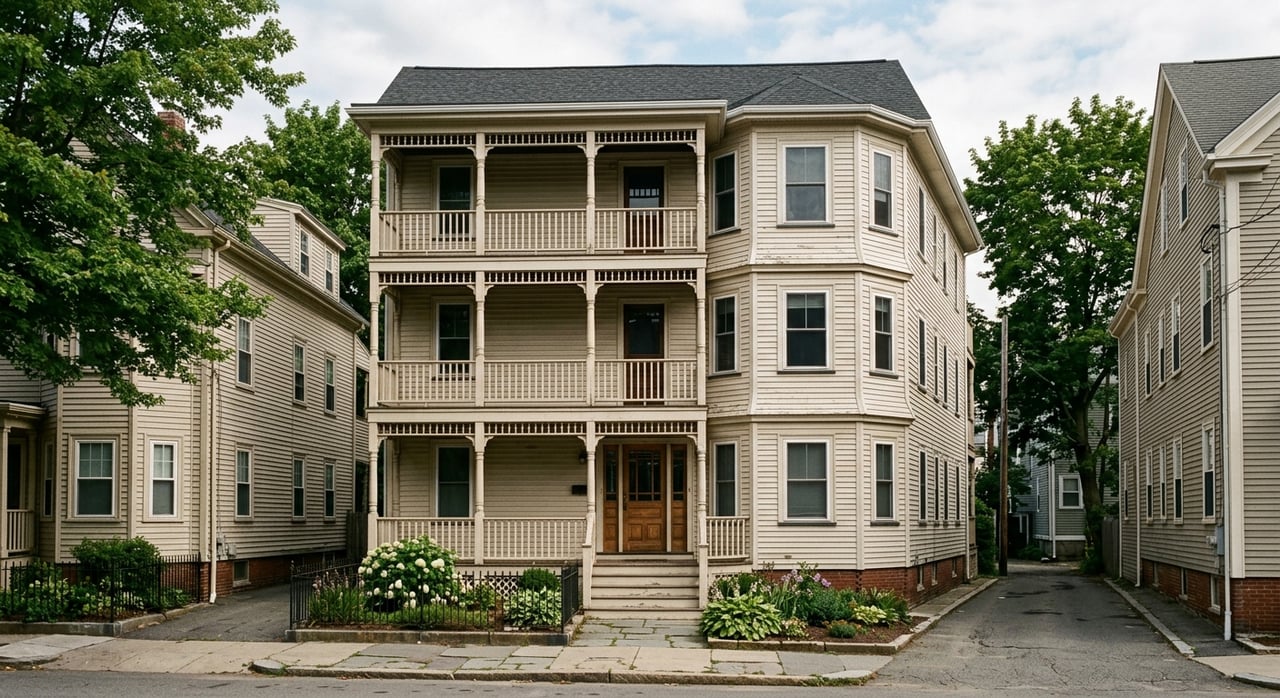
Thinking about buying a multifamily in Lynn so your tenants help cover the mortgage? House hacking can be a smart way to enter the market, but in Lynn, it works best when you understand both the opportunity and the responsibility. If you are considering a 2 to 4 unit property here, this guide will walk you through financing basics, local rules, and the older-home issues you need to review before you buy. Let’s dive in.
Why Lynn works for house hacking
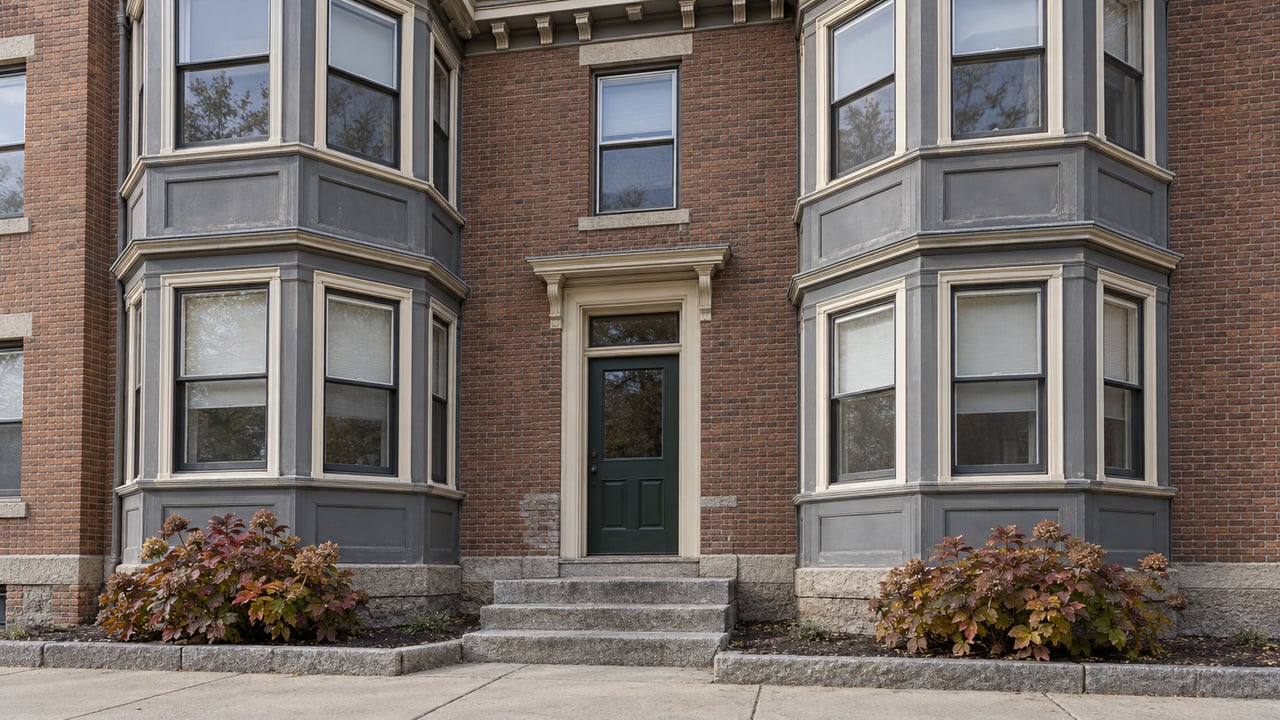
Lynn stands out for buyers looking at small multifamily properties because this type of housing is already a major part of the local housing stock. According to the city’s housing plan, 2 to 4 unit buildings make up 34% of Lynn’s housing, including many classic three-family homes. That gives you more potential owner-occupied multifamily options than you might find in nearby areas with less small multifamily inventory.
The local numbers also help explain why house hacking gets attention here. Census QuickFacts reports a median owner-occupied home value of $510,100, median monthly owner costs with a mortgage of $2,711, and median gross rent of $1,722. While every property is different, that rent level shows why income from another unit can meaningfully reduce your monthly housing cost.
Know Lynn’s older housing stock
Before you get too excited about rental income, it is important to look closely at the condition of the building. Lynn’s housing plan says 63% of the city’s housing was built before World War II, another 25% was built between 1940 and 1980, and only 4% has been built since 2000. In practical terms, that means many multifamily homes here may come with older systems, deferred maintenance, and possible lead-era concerns.
Older properties are not automatically a bad deal, but they do require a sharper review. You may need to evaluate roofing, plumbing, electrical, windows, insulation, and general code compliance more carefully than you would in a newer suburb. For a live-in landlord, these issues affect both your budget and your responsibilities after closing.
Financing options for a Lynn house hack
If you plan to live in one unit and rent the others, several financing paths may be available for 2 to 4 unit properties.
FHA loans for 2 to 4 units
FHA-insured loans can be used on 1 to 4 unit properties with a down payment as low as 3.5%. HUD also includes a self-sufficiency rental-income eligibility standard for 3 and 4 unit properties. That makes FHA especially relevant if you are buying a triplex or fourplex and want the lender to consider rental income from the other units.
Because underwriting standards matter, you should ask your lender early whether a specific 3 or 4 unit property is likely to meet FHA guidelines. This can save you time before you make an offer.
Conventional financing and rental income
Conventional loans may also work well for owner-occupied multifamily purchases. Fannie Mae says that when you buy a 2 to 4 unit primary residence, Desktop Underwriter can use net rental income from the subject property without subtracting the mortgage payment. If no net rental amount is entered, the system calculates it as 75% of gross rent.
Freddie Mac also allows rental income from the other units to be added to your total income for 2 to 4 unit primary residences. Its Home Possible program can go as low as 3% down. These details can make a big difference in how much home you qualify for.
MassHousing programs for first-time buyers
In Massachusetts, MassHousing is especially important to know. Its homeownership matrix allows first-time buyers to finance owner-occupied 2 to 4 unit properties with 95% loan-to-value and a 3% borrower contribution. It also requires homebuyer education and landlord counseling for 2 to 4 unit purchases.
MassHousing also offers a statewide $30,000 down payment assistance second mortgage for eligible first-time buyers purchasing a 2 to 4 family primary residence. If you are trying to buy your first multifamily in Lynn, that combination of financing and education can be a strong starting point.
How lenders usually count rental income
One of the biggest questions in house hacking is simple: how much rent will a lender actually count?
The answer depends on the loan program and the lender’s underwriting process, but the research here gives you a useful baseline. For conventional financing through Fannie Mae’s system, lenders may use net rental income from the subject property, and if no net is entered, the system may use 75% of gross rent. Freddie Mac also allows rental income from the other units to be added to your qualifying income for owner-occupied 2 to 4 unit properties.
This is why documentation matters early. Ask your lender what they will need to verify projected rent, how they analyze current leases if the property is occupied, and whether the building type fits the loan program you want to use. A strong pre-approval for a multifamily is often more detailed than one for a single-family home.
What to review before making an offer
In Lynn, smart house hacking starts with careful due diligence. You are not just buying a home. You are buying a property you will occupy, maintain, and operate as a rental.
Check zoning and rental compliance
Lynn’s Inspectional Services Department says property owners may rent dwelling units within their homes only if the use complies with local zoning, the state building code, and the state sanitary code. That means you should confirm the property’s current legal use and unit count before you move forward.
Do not assume every extra unit or finished space is compliant just because it exists. A buyer should verify what is legally recognized and what local requirements apply after closing.
Review registration and inspection rules
Lynn requires yearly rental registration for private residential rental housing units and five-year inspections. The city lists current fees of $25 for initial registration, $15 annual renewal per unit, $100 for inspection, and $25 for reinspection. The city also warns that nonregistration can trigger a $300 per day fine.
For a live-in landlord, these are not small details. They should be part of your operating budget and your ownership plan from day one.
Analyze the real carrying costs
A good house hack analysis goes beyond purchase price and market rent. Lynn collects real estate taxes quarterly, with bills due August 1, November 1, February 1, and May 1. Late payments are charged 14% interest.
That schedule matters when you build your monthly budget. You should model rent, taxes, insurance, utilities, vacancy, and repairs on a unit-by-unit basis so you understand your real monthly exposure.
Lead, safety, and code issues matter
In Lynn, older multifamily homes often require extra attention to health and safety compliance.
Lead law requirements
For older buildings, lead compliance is a major issue. Lynn states that under state and federal law, owners must provide tenants with lead-law notification materials and copies of any relevant lead inspection or compliance documents, even if no child under 6 will live there.
If you are looking at a pre-1978 property, ask early about any known lead documentation, prior compliance work, and what records will transfer at closing. This is an area where being proactive helps you avoid surprises.
Smoke and carbon monoxide alarms
Landlords also need working smoke alarms and, in most residences, carbon monoxide alarms. Massachusetts specifically says landlords must install and maintain carbon monoxide alarms in units with a source of carbon monoxide.
These items may sound basic, but they are part of your responsibility as a live-in owner. They should be reviewed before closing, not after a tenant moves in.
Habitability standards
Massachusetts requires landlords to provide safe, clean, and habitable housing under the State Sanitary Code. In a house hack, this applies even though you are living in the building too. Once you rent a unit, you are not just an owner. You are also a landlord with legal duties.
That is why condition, repairs, and compliance should be part of your buying strategy from the start.
Security deposits and move-in rules
Massachusetts has specific rules around security deposits, and live-in landlords need to follow them carefully. Security deposits are capped at one month’s rent and must be held in a separate interest-bearing Massachusetts bank account. The state also requires written notice and return procedures, plus a statement of condition at move-in.
These rules are very important because they are procedural, not optional. If you plan to rent a unit in your Lynn multifamily, it helps to set up a clean, organized system for deposits, paperwork, and tenant records right away.
Lynn’s local compliance is becoming more visible
Lynn’s Housing Stability Ordinance was adopted in December 2024 and takes effect November 15, 2025. The city states that its purpose is to inform tenants, landlords, and property managers of rights and responsibilities at the start and end of tenancy.
For a live-in landlord, the takeaway is simple. Local expectations around rental compliance are not getting looser. They are becoming more structured and more visible, which makes preparation even more important.
A practical house hacking checklist
If you are considering a 2 to 4 unit property in Lynn, focus on these basics before you commit:
- Confirm the legal unit count and zoning compliance
- Ask your lender how rental income will be documented and counted
- Review current leases and actual rent, if the property is occupied
- Budget for repairs, vacancy, utilities, insurance, and taxes
- Verify Lynn rental registration and inspection requirements
- Ask about lead documentation and code compliance history
- Check smoke alarm and carbon monoxide alarm compliance
- Understand Massachusetts security deposit procedures
- Explore FHA, conventional, and MassHousing options early
Why local guidance matters
House hacking can be a powerful way to buy your first property, lower your monthly costs, and start building long-term equity. In Lynn, it can be especially attractive because of the city’s large supply of 2 to 4 unit homes. At the same time, the local opportunity comes with real responsibilities tied to older housing stock, city registration rules, and Massachusetts landlord requirements.
That is where local, hands-on guidance can make a real difference. When you have someone helping you evaluate the building, the financing path, and the day-to-day realities of ownership, you can move forward with more clarity and less guesswork.
If you are exploring a Lynn multifamily and want practical, bilingual guidance on buying, selling, or leasing in the Boston North Shore corridor, connect with Madelyn Garcia Real Estate.
FAQs
What is house hacking in Lynn, MA?
- House hacking in Lynn usually means buying a 2 to 4 unit property, living in one unit as your primary residence, and renting the other unit or units to help offset your housing costs.
Can you buy a Lynn multifamily with a low down payment?
- Yes. Based on the research provided, FHA loans can go as low as 3.5% down for 1 to 4 unit properties, and some conventional programs and MassHousing options may also allow low down payment financing for eligible buyers.
How do lenders count rental income on a Lynn house hack?
- For certain conventional owner-occupied 2 to 4 unit purchases, Fannie Mae’s system may use net rental income from the subject property, and if no net amount is entered, it may calculate 75% of gross rent. Freddie Mac also allows rental income from the other units to be added to qualifying income for eligible primary residence purchases.
What rental registration rules apply to Lynn landlords?
- Lynn requires yearly rental registration for private residential rental housing units and five-year inspections, with listed fees for registration, renewal, inspection, and reinspection. The city also notes that nonregistration can lead to fines.
What older-home issues should buyers review in Lynn multifamily properties?
- Buyers should pay close attention to deferred maintenance, older systems, possible lead-era concerns, code compliance, and safety items like smoke and carbon monoxide alarms, especially because much of Lynn’s housing stock was built before 1980.
What security deposit rules apply to Massachusetts live-in landlords?
- Massachusetts caps security deposits at one month’s rent, requires the funds to be held in a separate interest-bearing Massachusetts bank account, and requires written notice, return procedures, and a statement of condition at move-in.