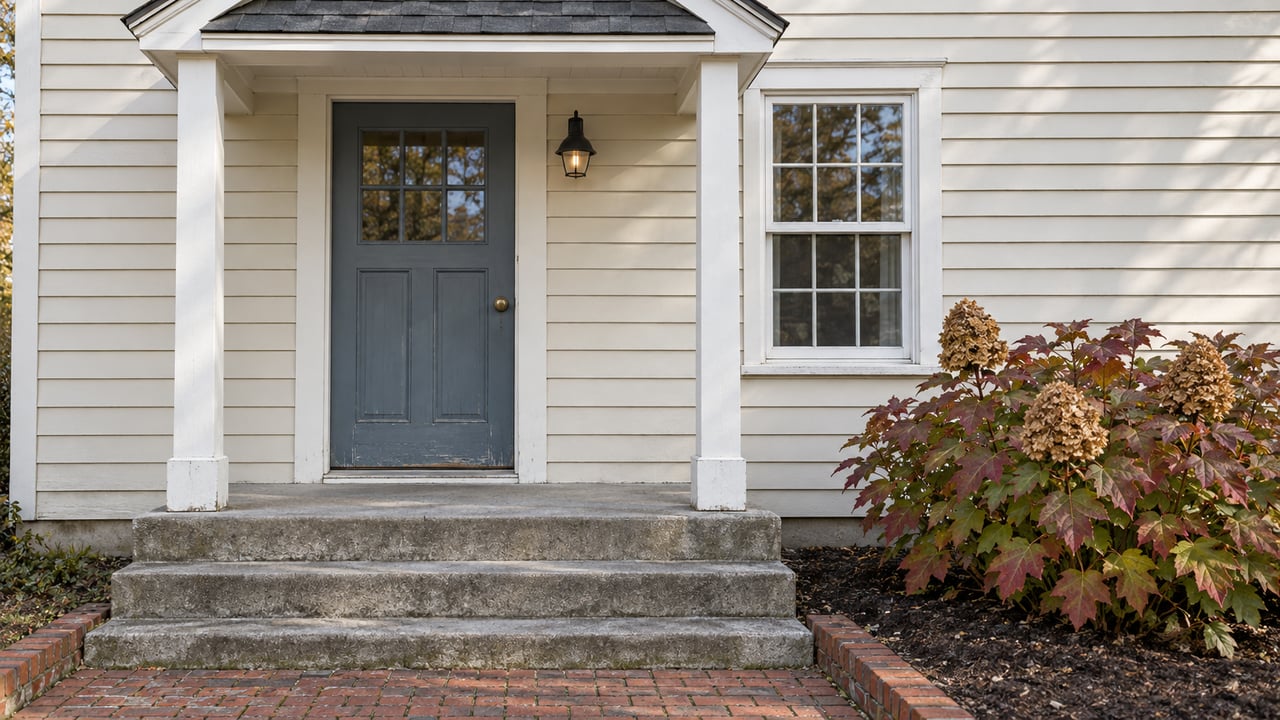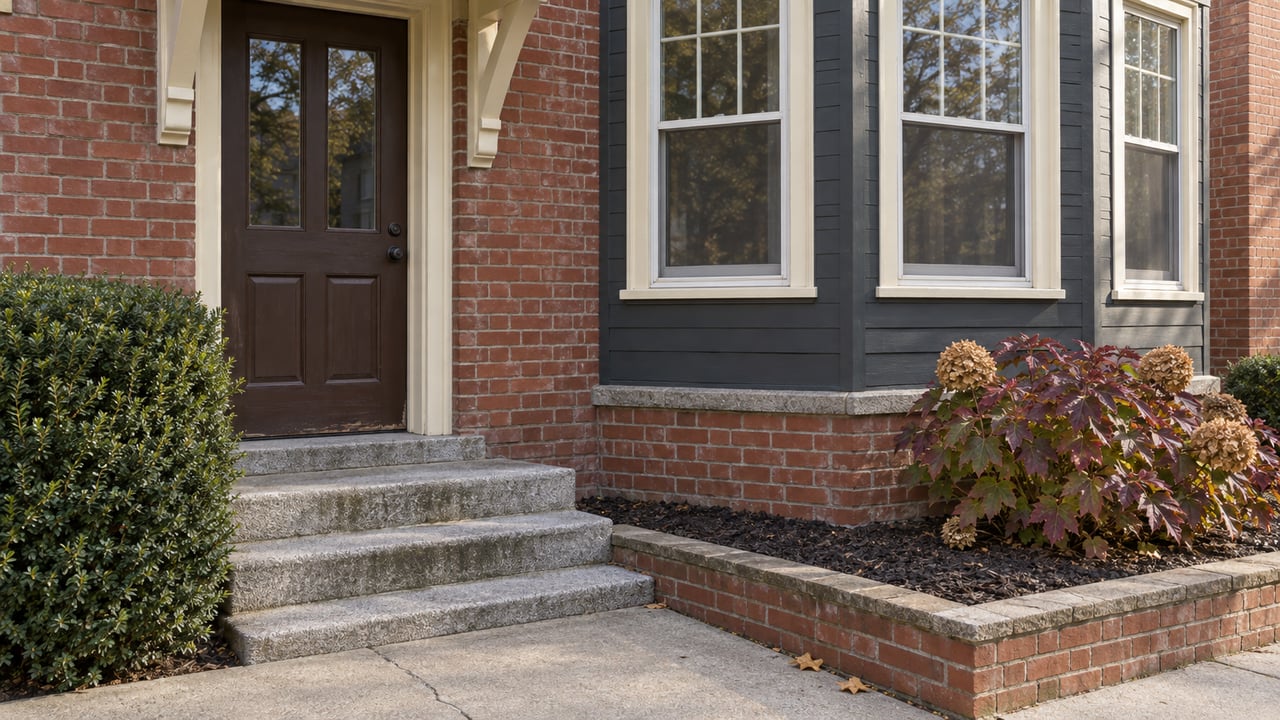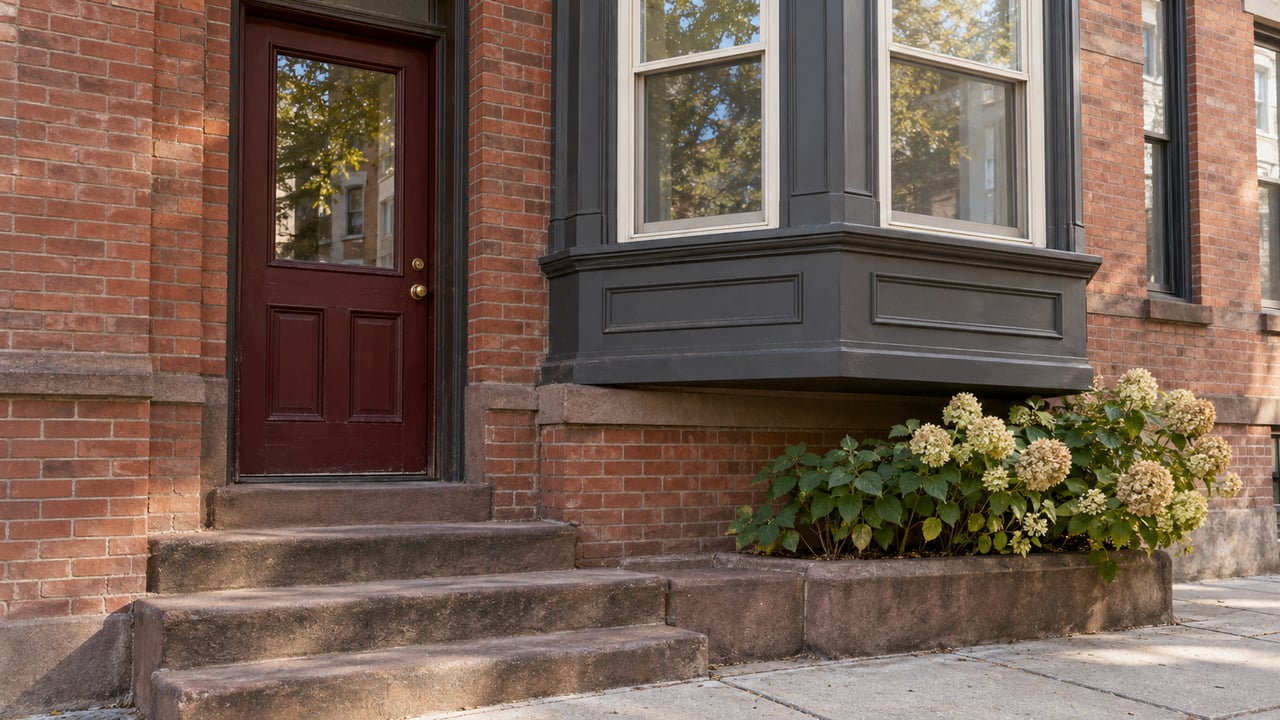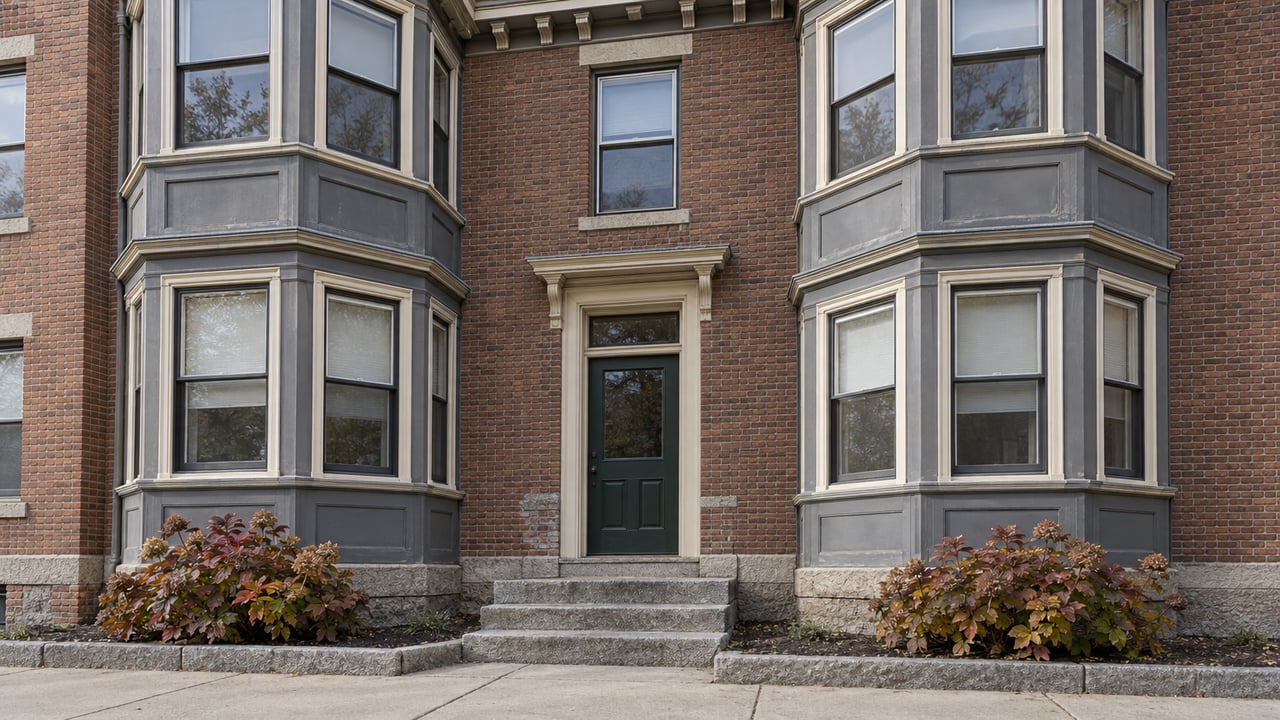
Picture two condos in the same Chelsea building. Each is assessed at $420,000, which matches the city's median condo sale price for September 2026, according to the Massachusetts Association of Realtors town data. One owner lives in her unit and the other rents his out. At FY2026 rates, the owner who lives there pays about $1,618 a year in property tax. The owner who rents out his unit pays about $4,822.
The two units have the same assessed value and the same tax rate, yet one bill is roughly a third of the other. The difference is Chelsea's residential exemption. In this city, who lives in a unit changes the tax bill more than any likely difference in sale price. That matters most during a purchase, because the tax figure a buyer sees is usually the seller's.
The tax line you see belongs to the seller
Chelsea's exemption is tied to a specific date. The city's FY2027 residential exemption application says applicants must "own and occupy the residential property as on January 1, 2026." The FY2026 form used January 1, 2025 in the same way. So each year's exemption depends on who owned and lived in the property on the first day of the previous calendar year.
If you're comparing Chelsea homes this fall, here is how that plays out.
- A seller who lived in the home on January 1, 2026 and applied is getting the exemption on FY2027 bills. Any tax figure tied to the property reflects that lower bill.
- A buyer who closes this fall did not own the home on January 1, 2026, so FY2027 is not theirs to claim.
- Applications approved before September 1, 2026 count on the January 2027 bill. That cutoff has already passed for this cycle.
- If future forms keep the same pattern, a buyer who moves in before January 1, 2027 would first be eligible for FY2028.
The city also says the credit is never automatic. The FY2026 Tax Assessment Overview states that homeowners "DO NOT automatically receive the exemption; they must apply." An owner reapplies every five years, and the exemption can be removed if the Assessor's Office finds the owner no longer lives there. The application asks for a 2025 Massachusetts resident income tax return, a Massachusetts ID or driver's license, a vehicle registration and two qualifying bills or statements.
When you budget the first year or two of ownership, use the full rate on the assessed value. The seller's discounted bill is not a reliable number for you.
What the exemption is worth at the condo median
The Chelsea Assessor's page lists the FY2026 residential rate as $11.48 per $1,000. The exemption is worth $3,203.68 in tax, which equals taking $279,066 off the assessed value. Here is what that means for a condo assessed at the September 2026 median sale price. The table assumes the assessed value equals that price, so treat it as an example, not a quote for any specific unit.
| FY2026, $420,000 assessed value | Owner-occupant with exemption | Owner who does not live there |
|---|---|---|
| Taxable value | $140,934 | $420,000 |
| Annual tax at $11.48 per $1,000 | about $1,618 | about $4,822 |
| Monthly equivalent | about $135 | about $402 |
| Effective rate on full value | about 0.39% | 1.148% |
The gap is about $3,200 a year, or roughly $267 a month. That is more than many monthly condo association fees. Chelsea's condo median moved only from $430,000 in September 2025 to $420,000 in September 2026. At these values, whether the owner lives in the unit changes the yearly cost far more than the price does.
There is one floor. The FY2027 application says every taxpayer must pay at least 10% of their tax. At FY2026 numbers, that limit only matters for homes assessed below about $310,000. Above that, the full $3,203.68 applies.
Roughly half the condos in town pay the full rate
The exemption shapes the market because it is far from universal. The FY2026 Overview counts 2,497 recipients across 5,888 residential properties. Here is how that breaks down by property type:
| Property type | Properties | Getting the exemption | Share |
|---|---|---|---|
| Single family | 828 | 529 | 63.89% |
| Condo | 2,057 | 998 | 48.52% |
| Two family | 1,201 | 651 | 54.20% |
| Three family | 937 | 287 | 30.63% |
| Four family | 121 | 20 | 16.53% |
| 5–8 unit apartment | 125 | 1 | 0.80% |
| 9+ unit apartment | 91 | 0 | 0.00% |
The pattern is clear. The more units a building has, the less likely its owner lives there. The share drops from about two in three single-family homes to fewer than one in three three-families. Among buildings with five or more units, only one of 216 gets the exemption.
That affects how you read a building's numbers. A two-family listed by an owner who lives there will show a tax bill well below what an investor buyer would pay. A three-family is more likely to come with a full-rate bill already. For investors working through a rent roll in Chelsea, the full rate is the right starting point unless you plan to live in one of the units. As the Massachusetts Division of Local Services explains, the program shifts tax burden toward higher-value homes, most apartment buildings and homes whose owners live elsewhere.
A flat dollar credit favors smaller homes
Chelsea's exemption is the same dollar amount for every eligible home, not a percentage cut. The Overview says recipients "all receive the same dollar amount exemption," so lower-value properties end up with a lower effective tax rate. On a $420,000 condo, $3,203.68 is about two-thirds of the bill. On a two-family assessed near the FY2026 residential average of $797,332, the same credit covers much less.
The city puts the FY2026 break-even point at $1,880,133. That is the value at which an owner-occupant would pay the same with or without the program. Nearly all owner-occupied Chelsea homes are assessed below it, so for most owners who live in their homes the exemption works out in their favor.
Chelsea also keeps the residential rate low by choosing the minimum residential factor, which goes with a 1.75 shift factor on commercial, industrial and personal property. The Chelsea Record has described that 175 percent shift as a long-standing Council tradition. For FY2026 the commercial rate came to $23.79 per $1,000, a little more than double the residential rate. The Chelsea Record reported that the Council approved both the 35% exemption and the commercial shift after a public hearing where no members of the public spoke.
The FY2027 vote is underway this month
The same choices are back before the City Council now. The October 19, 2026 Council agenda included a communication from City Manager Fidel Maltez on FY2027 tax rates. It also included two orders introduced by Council President Jimenez-Rivera, one to keep the 1.75 commercial shift and one to adopt a 35% residential exemption for FY2027. A Council subcommittee was scheduled for October 27 to discuss FY2027 rates. Those invited included Deputy City Manager of Finance Paul Sagarino, Chief Assessor Jim Sullivan and Board of Assessors chair John Taglilatela.
Until the Council votes and the city posts FY2027 rates, the FY2026 figures above are the latest official numbers. The FY2027 exemption amount will change because it is calculated from average assessed values. Last year shows why the tax rate alone doesn't tell you much. Before the FY2026 vote, the Chelsea Record reported that the residential rate was expected to tick down slightly from the FY2025 rate of $11.51. Values were still rising, though. Then-Deputy City Manager for Finance Michael Mason gave increases of about 5% for single-family homes and condos, 2.6% for two-families and 8.5% for three-families. According to the same article, Mason and Sullivan estimated the average single-family bill would rise a little over $10 a month with the exemption. Three-family owners would see about $50 a month. Three-families had the largest increase in value and the lowest share of owners claiming the exemption.
Quick answers
Can I get the exemption on two properties? No. The application says an individual owner may qualify on one parcel only.
Does it apply if I live in one unit of my two- or three-family? The city's figures show that 651 two-family owners and 287 three-family owners received the exemption in FY2026. The Board of Assessors reviews each application and decides whether it is granted, so the Assessor's Office is the place to confirm your own case.
How do I file? The FY2027 form can be emailed to [email protected] or brought to Room 211. You can download it from the city's taxpayer applications page. The form also explains the program in Spanish. ¿Prefiere leerlo en español? La solicitud lo explica en ambos idiomas.
What if my application is denied? The form says you can appeal, and the decision notice explains the process and the deadline.
This post is general information, not legal, tax or financial advice. Please confirm your own eligibility and numbers with the Chelsea Assessor's Office or a tax professional.
If you're weighing a Chelsea condo or multi-family, we can run the numbers both ways, with and without the exemption, so your budget matches the bill you will actually get. Madelyn Garcia Real Estate offers a free home valuation and local market consultation, in English or Spanish, with a team that has watched Chelsea's tax rules shape purchases for decades.