If you have been thinking about buying a multi-family property in East Boston, you are not alone. Many buyers look at the neighborhood and see a chance to live in one unit, rent the others, or start building long-term income in a part of Boston with strong rental demand. The key is knowing how to size up the opportunity with clear numbers and local rules before you jump in. Let’s dive in.
Why East Boston Appeals to Multi-Family Buyers
East Boston stands out because it is a dense, renter-oriented neighborhood with a mix of older and newer housing. The City of Boston describes the area as having many restored triple-deckers, and city housing data shows that 68% of East Boston housing is rental.
That rental-heavy makeup matters if you are looking at a two- to four-unit property. It points to a neighborhood where leasing demand is a major part of the housing market, rather than an area built mostly around low-density owner-occupant homes.
East Boston also benefits from major local anchors and ongoing public investment. Logan Airport, waterfront access, and continued city planning work all shape the market, which means investors should think about both current income potential and future neighborhood changes.
What Building Types You Will See
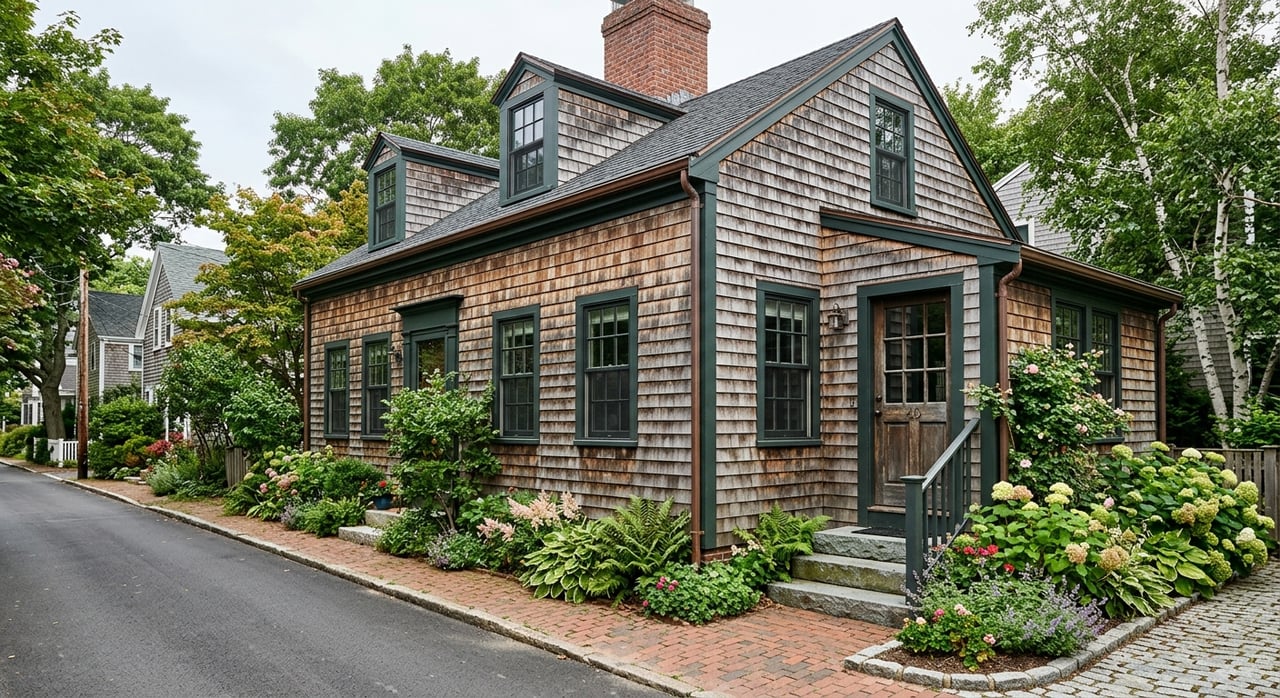
If you start touring properties in East Boston, you will quickly notice the classic small multi-family stock. Triple-deckers are one of the most recognizable building types in Boston, and East Boston is specifically used in a city retrofitting report as a case study.
For you, that means opportunity and responsibility usually come together. Older wood-frame buildings can work well as rentals, but they may also need reserves for roofs, porches, major systems, and code-related updates.
Why Older Stock Needs Careful Budgeting
A multi-family property can look great at first glance and still need meaningful work. In East Boston, older buildings may offer strong rental utility, but you should plan for maintenance and updates as part of your numbers from day one.
That is especially important if your strategy depends on thin margins. A property that looks profitable on paper can feel very different once you factor in repairs, compliance, and ongoing upkeep.
Start With Zoning, Not Assumptions
Before you get attached to a property, confirm what the parcel actually allows. East Boston falls under Article 53, which governs the East Boston Neighborhood District.
Different subdistricts allow different numbers of units and building forms. For example, EBR-2.5 subdistricts allow up to 2 dwelling units and 2.5 stories, EBR-3 allows up to 3 dwelling units and 3 stories, and EBR-4 allows multifamily dwellings up to 4 stories.
That means your plan has to match the specific parcel, not just the building next door or the seller's description. Overlay districts such as NDOD and CFROD can also affect design, height, and flood-related review.
Check ADU Rules Carefully
If you are hoping to create extra value with an accessory dwelling unit, make sure you verify the rules first. Boston says owners of 1-, 2-, and 3-family homes may be able to add an ADU if they live on the parcel.
In East Boston, Article 53 adds more limits. ADUs are owner-occupied and restricted to additions that do not expand the existing building envelope, so this is not a simple value-add path for every investor.
How Financing Changes the Math
For many first-time multi-family buyers, the smartest entry point is an owner-occupied purchase. HUD says FHA financing can be used on 1-4 unit properties with as little as 3.5% down.
Fannie Mae guidance also shows that HomeReady can apply to 2-4 unit principal residences, with minimum borrower contribution listed as 0% when loan-to-value ratios are 80% or less and 3% when they are above 80%. That can create more flexibility if you plan to live in one unit and rent the others.
Owner-Occupied vs Investment Property
This distinction matters because rental income is often treated more favorably on a 2-4 unit primary residence than on an investment property. Fannie Mae says rental income from a 2-4 unit primary residence can be used in qualifying without the same restrictions that apply to investment property.
For a 1-4 unit investment property, rental income can generally be used only to offset the property’s PITIA, which includes principal, interest, taxes, insurance, and association dues when applicable. That difference can affect how much property you can realistically afford.
Use a Conservative First Screen
When you run your first numbers, compare gross rent against the full carrying cost, not just the mortgage payment. In East Boston, that means looking at principal, interest, taxes, insurance, and any likely maintenance or compliance costs.
This matters even more in a higher-rate environment. Freddie Mac’s Primary Mortgage Market Survey reported a 30-year fixed mortgage rate of 6.43% as of July 2, 2026, which can put pressure on cash flow if your rent assumptions are too aggressive.
Boston Taxes Can Make or Break a Deal
Property taxes are not a side note in Boston. The City says the FY26 residential tax rate was $12.40 per $1,000 of assessed value, so taxes should be built into your underwriting from the start.
If you will live in the property, the residential exemption may help. Boston says the exemption saved eligible homeowners up to $4,353.74 in the last fiscal year.
For owner-occupants, that can meaningfully improve the monthly picture. For non-owner-occupied buyers, it is another reminder that your structure and use of the property can change the math.
Do Not Base the Deal on Short-Term Rentals
It can be tempting to assume a short-term rental strategy will boost returns, but in Boston that approach is limited. The city’s short-term rental program allows residential units in owner-occupied condominiums, single-family, two-family, and three-family buildings.
For two- and three-family buildings, the owner must own all units. Because of those restrictions, long-term rental underwriting is the safer baseline for most East Boston multi-family buyers.
Use Public Data Before You Offer
One of the best ways to avoid mistakes is to build a simple review process before making an offer. Boston gives buyers several public tools that can help you check ownership, tax information, assessed value, and property records.
A practical first-pass workflow can look like this:
- Confirm the zoning subdistrict under Article 53
- Review the property record and assessing information
- Compare rents using current comps, not older market averages
- Estimate full carrying costs, including taxes and insurance
- Check flood exposure and any overlay district issues
- Budget for repairs, compliance, and management needs
This kind of process helps you stay grounded in facts instead of optimism.
East Boston Red Flags to Watch
Every neighborhood has its own risk profile, and East Boston has a few issues that deserve extra attention.
Flood Exposure
Flood risk should be a top review item in East Boston. The City says Boston is among the most flood-vulnerable cities in the country, and high-risk coastal zones are those beginning with A or V on FEMA maps.
If you have a federally backed mortgage on property in one of those zones, flood insurance is required. East Boston is part of the city’s coastal resilience planning work, and flood risk can extend into low-lying areas beyond the immediate waterfront.
Aircraft Noise Near Logan
Noise is another location-specific issue that can affect property performance. Massport operates a Residential Sound Insulation Program for eligible properties near Boston Logan to help reduce interior noise.
For buyers, this is worth checking early. It can influence tenant experience, future improvement costs, and even turnover risk depending on the building’s location.
Rental Property Compliance
Landlord compliance should be part of your underwriting, not an afterthought. Boston says all rental property owners must register their housing, and the city outlines landlord obligations and tenant rights through its housing code resources.
Even on a smaller two- to four-unit building, you should expect time and money to go toward compliance, inspections, follow-up items, and day-to-day management responsibilities.
A Smart Way to Begin
If you are just getting started with multi-family investing in East Boston, try to keep your first deal simple. Focus on a property where the zoning is clear, the rent assumptions are based on current comps, and the building condition does not require you to stretch your budget from the start.
In many cases, an owner-occupied two- to four-unit purchase can offer the most practical path in. You may get more flexible financing options, a chance to learn the business up close, and a clearer way to offset your housing costs while building equity.
East Boston can be a strong place to start, but the best results usually come from disciplined screening, conservative numbers, and local guidance. If you want help evaluating a 2-4 unit property in East Boston or nearby communities, reach out to Madelyn Garcia Real Estate for hands-on, bilingual guidance and a local market consultation.
FAQs
What makes East Boston attractive for multi-family investing?
- East Boston has a renter-oriented housing mix, many small multi-family buildings including restored triple-deckers, and ongoing city planning and resilience investment.
What zoning should you check for an East Boston multi-family property?
- You should verify the parcel’s Article 53 subdistrict, such as EBR-2.5, EBR-3, or EBR-4, and review whether any overlay districts affect design, height, or flood-related review.
Can you buy a 2-4 unit property in East Boston with low down payment financing?
- If you will live in the property, HUD says FHA financing can be used on 1-4 unit homes with as little as 3.5% down, and certain Fannie Mae HomeReady options may also apply.
Should you underwrite an East Boston deal using short-term rental income?
- In most cases, no. Boston’s short-term rental rules are limited, so long-term rental income is the safer baseline for underwriting.
What extra risks should you review for an East Boston multi-family building?
- Pay close attention to flood exposure, aircraft noise near Logan, property taxes, building condition, and Boston rental property compliance requirements.
What is the best first step before offering on an East Boston multi-family property?
- Start by confirming zoning, reviewing public property records, checking current rent comps, and estimating the full carrying cost with conservative assumptions.